” . . . the report’s authors said the local government should be doing more to support those who are justice-involved, including those who are formerly incarcerated and those with parole, probation, and community supervision.These individuals and their families struggle with access to housing, employment, educational opportunities, and meeting health and mental health needs and experience a patchwork of services that are under-resourced and not targeted to meet the complex challenges that come before, during, and after justice involvement, FPWA officials said.The result is a continuing cycle of poverty and incarceration that has a devastating impact on families for generations, they said.“If we are serious about ending mass incarceration, if we want to disrupt systems that criminalize the poor, we must better utilize and resource the organizations that are already providing critical services in these communities,” Jennifer Jones Austin, FPWA CEO and Executive Director, said in a news release.“Systemic racism drives both poverty and the mass incarceration of low-income people, especially people of color. This cycle of poverty and criminal justice involvement feeds on itself and creates herculean barriers to achieving economic and social advancement, for those who have been justice involved and for their loved ones,” Jones said.“There are proven ways to support communities experiencing high levels of poverty, income insecurity and incarceration. Human services organizations are a key part of those solutions,” she said.”
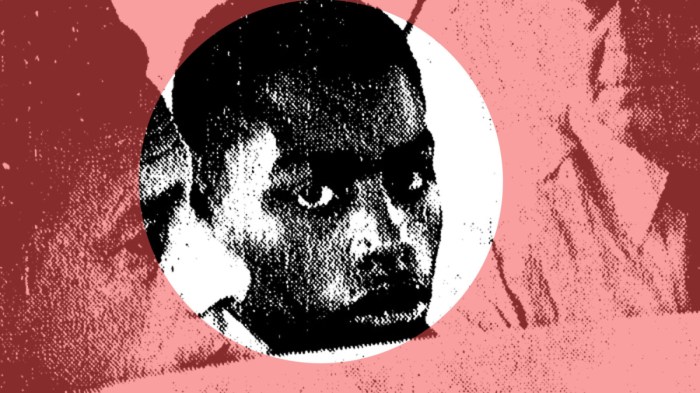
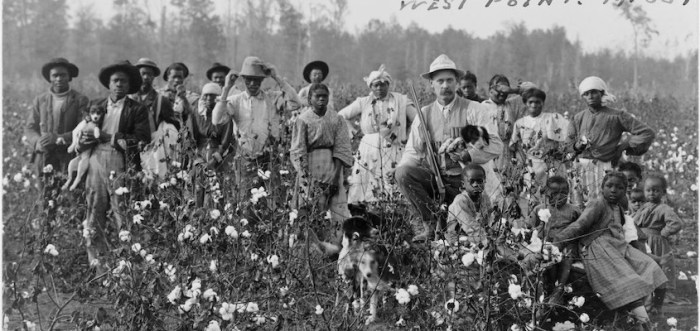
The deep and persistent racial wealth divide will not close without bold, structural reform. It has been created and held in place by public policies that have evolved with time including slavery, Jim Crow, red lining, mass incarceration, among many others. The racial wealth divide is greater today than it was nearly four decades ago and trends point to its continued widening.
It is important that we applaud Kaepernick and the NFL for addressing racial injustice. But NFL players taking a knee is only the beginning. Eventually, they must also fearlessly stand for something—and they should look to the leadership of today’s important and successful movements, like Black Lives Matter, to decide just what that something should be.
Data from the U.S. Department of Education’s Office of Civil Rights Data Collection demonstrate that students of color, students with disabilities, and other historically underserved students, are disproportionately suspended and expelled compared with their White and nondisabled peers. These disparities are not a result of more incidences of misbehavior; instead, students of color are punished more harshly for the same behaviors, especially non-violent offenses like tardiness or “talking out of turn.” Research shows that these discriminatory and exclusionary discipline practices have a significant negative impact on these same students as even one suspension can double the likelihood of a student dropping out. Research also shows that zero-tolerance policies make schools less effective and less safe—not safer—for students.
Racism Knocking at the Door: the Use of Criminal Background Checks in Rental Housing
In 2016, after decades of appearing to encourage local public housing providers to adopt harsh policies barring applicants with criminal records, the Office of General Counsel for the United States Department of Housing and Urban Development (“HUD”) issued guidance instructing public and private housing providers to take in to account the potentially disparate effects of such policies on racial minorities (the “HUD Guidance”). Recognizing that African Americans and Latinos are “arrested, convicted and incarcerated at rates disproportionate to their share of the general population,” HUD advised that any policy that “restricts access to housing on the basis of criminal history” may have an unlawful disparate impact based on race.
Reparations should not be a topic for national discussion until there is something akin to a consensus among black people about what to demand and how to do it.“ADOS activists wrap themselves in the flag that symbolizes oppression, repeat nativist talking points, and eschew connections with African people in the rest of the world.”
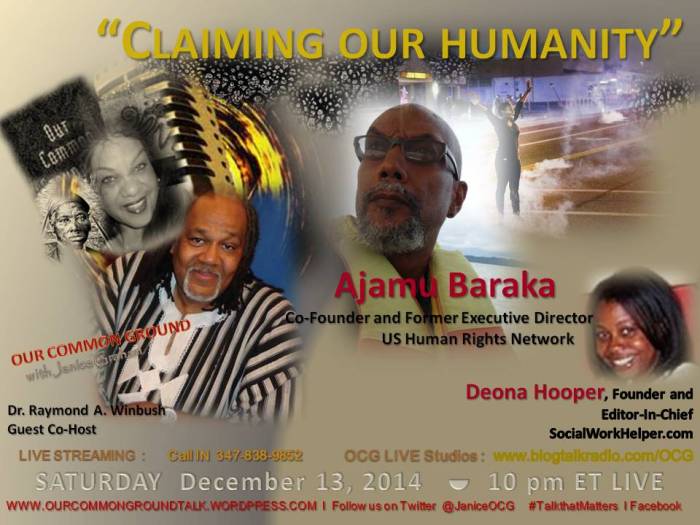
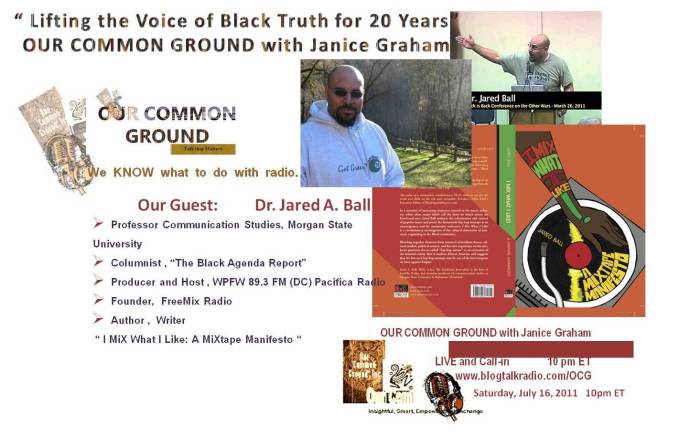
Thanks to Baltimore’s Reality Speaks and Pleasant Hope Baptist Church for hosting this conversation. The full video will be coming soon from the good folks at Reality Speaks but here are excerpted audio clips which include the initial remarks by both Drs. Ray Winbush and [Dr.]Jared Ball ( OUR COMMON GROUND Voices) followed by their responses to questions and comments from the audience.
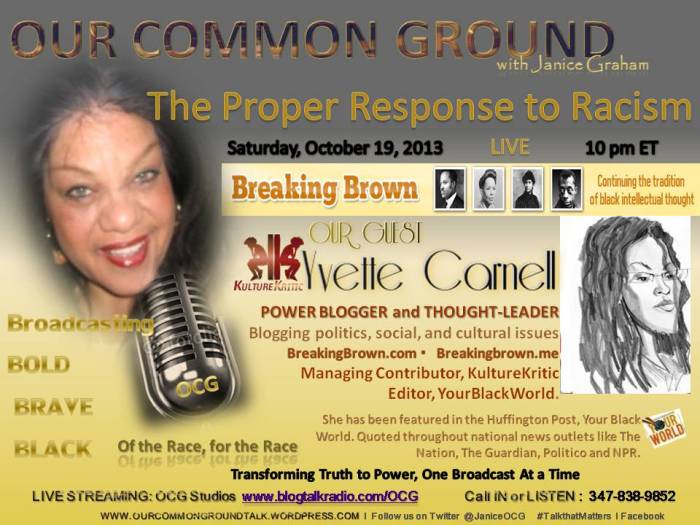
Subject of Discussion: #ADOS, Co-Founder Yvette Carnell, OUR COMMON GROUND Voice.
Research Shows Entire Black Communities Suffer Trauma After Police Shootings
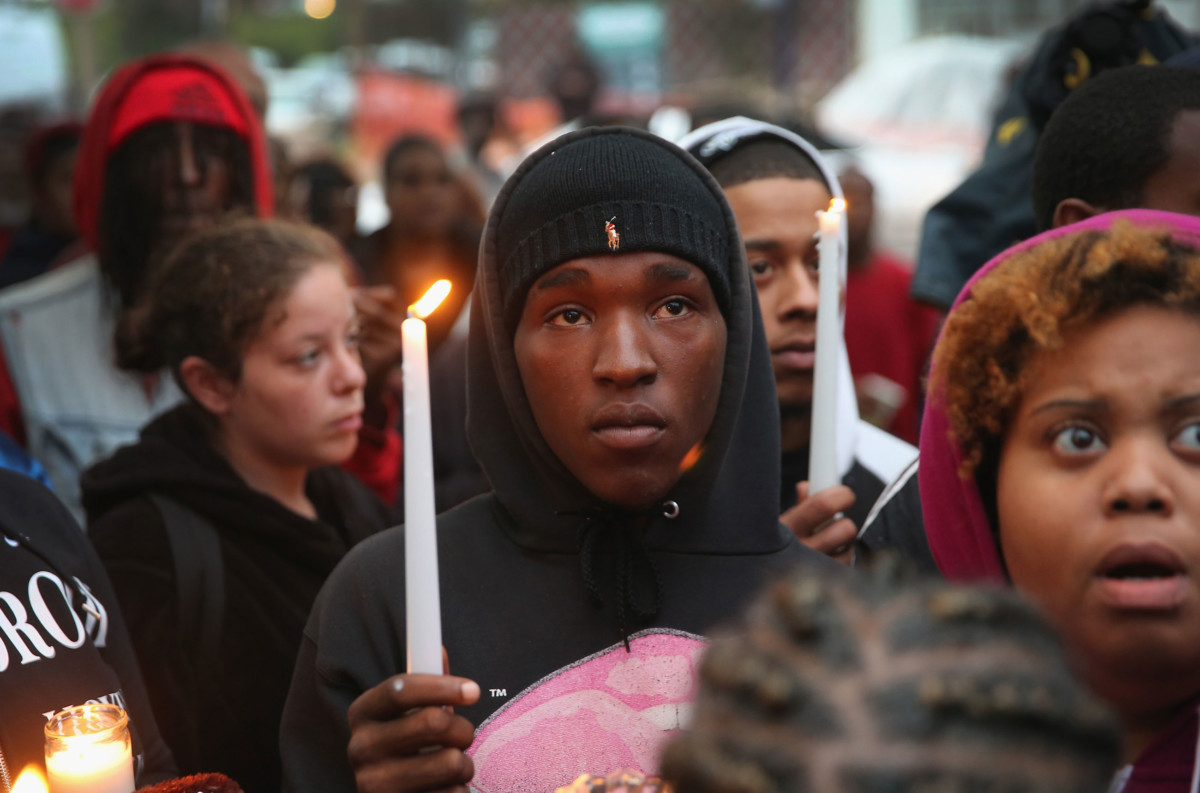
Mourners attend a candlelight vigil in memory of 18-year-old Vonderrit Myers Jr. on October 9, 2014, in St. Louis, Missouri. Meyers was shot and killed by an off-duty St. Louis police officer.SCOTT OLSON / GETTY IMAGES
Following several nationally publicized police killings of unarmed Black Americans in the United States, Eva L., a fitness instructor who identifies as Black, started to experience what she describes as “immense paranoia.” She would often call in sick, because she feared risking an encounter with police upon leaving her house. She also started to second-guess her and her husband’s decision to have children.
“Seeing Black bodies murdered and physical/emotional violence online and on the news” was a trauma she could no longer bear, Eva says. “I was terrified of bringing a child into the world we live in and experience as Black people. I thought not having kids was a truer sign of love than risk them being harmed by this world.”
A recent study sponsored by the University of Pennsylvania — released just before the anniversaries of the deaths of Eric Garner (2014), Michael Brown (2014), John Crawford (2014), and Philando Castile (2016) — found that there could be millions like Eva, for whom these killings have been a mental health trigger.
Research included data from the Mapping Police Violence Projectdatabase for police killings between 2013 and 2016 and information from the Behavioral Risk Factor Surveillance System of over 103,000 Black Americans. The results indicate that police killings of unarmed Black Americans are having a population-level impact on the mental health of Black Americans.
According to researchers, the incidents may contribute to 1.7 additional poor mental health days per person every year, or 55 million more poor mental health days every year among Black Americans across the United States. That means the mental health burden for African Americans caused by police killings of unarmed Black victims is nearly as great as the mental health burden associated with diabetes. African Americans have some of the highest rates of the disease, which contributes annually to 75 million days of poor mental health among them.
African Americans make up 13 percent of the US population but they accounted for 26 percent of people fatally shot by police in 2015 and 2016. While the death of a loved one can be tragic for the family and community of any police-shooting victim regardless of race, the study reveals that there is a deeper trauma for African Americans, related to the victim or not.
Eva started seeing a therapist who diagnosed her as having generalized anxiety and post-traumatic stress disorder. It’s been two years now, and she admits that her progress toward healing has been slow, yet steady.
Jacob Bor, co-author of the study and assistant professor at the Boston University School of Public Health, says the responses in his social circle to police killings of unarmed Black victims is what interested him in conducting this study. Bor noticed that White people were able to comprehend “the injustice on an intellectual level but did not experience the same level of trauma.”
The study findings confirmed Bor’s personal observations. The research team did not observe spillover mental health effects in White respondents from police killings. It should also be noted that among respondents of either race, there were no spillover effects for police killings of unarmed White people or killings of armed Black people.
The research is essential in considering our own personal experiences, says Bor, adding that the findings speak to the overall “value of different people’s lives.” This society “has a long history of state-sanctioned violence” toward racially marginalized groups, he says.
The mental health sector is only now researching the impact of police brutality, a concern that has affected African Americans for decades. “Clinicians can go through medical school without [gaining] any experience in treating the effects of racism,” Bor says. Studies like his, he adds, can help to create long overdue critical mainstream discussions about the effects of racism on mental health, such as, “How do we in public health, society, and among the clinical and mental health services support people when these incidents occur?” and “Can a profession dominated by White providers effectively treat the emotional struggles of ‘living while Black’ in this country?”
According to Bor, these discussions are needed to implement change. “Among many White Americans, there is an empathy gap … and a failure to believe when people of color say ‘this hurts me,’” he says.
Adding to the deficiency of culturally competent therapists, poverty and other formidable socio-economic challenges — also stemming from structural racism — remain steadfast barriers to African Americans accessing mental health care, according to the American Psychological Association.
New York City’s first lady, Chirlane McCray, has also become a passionate advocate for what she describes as a movement for “culturally competent mental health care.”
“When you talk about people of color, who are obviously facing discrimination and legacy of racism and poverty in huge numbers, you are talking about something that is really tough to overcome,” McCray says.
Inadequate care undermines benefits from policies and resources designed to mitigate the burdens of systemic oppression. “Mental illness along with substance abuse disorders are hardship multipliers,” she says. Struggling unsupported with “mental illness can make everything that much harder.”
For example, holding on to affordable housing, staying enrolled in college, and even surviving encounters with law enforcement can be extremely more difficult for those suffering from mental illness or trauma, McCray says. In fact, the most recent annual numbers from the Washington Post’s database of fatal police-shooting victims indicate that “nearly 1 in 4 of those shot was described as experiencing some form of mental distress at the time of the encounter with police.”
“Mental health is the ultimate intersectional concern,” McCray says. “It is reflected in all of our policies … education, housing, school, relationships.”
In 2015, she and her spouse, Mayor Bill de Blasio, launched Thrive NYC, a $850 million mental health program that incorporates 54 initiatives. Among the program’s several core objectives is the aim to address the stigma around mental illness and increase access to treatment across the city. McCray believes that ThriveNYC’s community focused approach is one of several necessary steps toward reaching historically under served groups.
“Culturally competent care to me is all about trust,” McCray says. “It improves early identification, accessibility, and outcomes.” Also, she says, “People have to be seen.” From her advocacy experience she has observed that “people have to feel that they can turn to someone that they trust.”
Connecting people with the appropriate resources, however, means surmounting many challenges. “There is great deal of work to be done to eliminate the stigma,” McCray says. There is also the matter of affordability and infrastructure. “We’ve never had a well-coordinated mental health system in our country — ever. People who have the money find ways to manage.” She says she wants to fight for everyone to get the resources they need to cope.
Eva recognizes that her path to healing has taken a significant amount of work and support beyond the means of many African Americans. “Access to therapy is a privilege,” she says. “I know that most people can’t afford weekly sessions at $150-plus.” Yet, she adds, “[going through therapy] is the only reason why I’m OK planning for kids at 32.”
This story is a collaboration between ProPublica Illinois and WBEZ.
During negotiations for Chicago’s 2012 budget, newly elected Mayor Rahm Emanuel and then-City Clerk Susana Mendoza agreed to hike the price of what was already one of the priciest tickets vehicle owners can get in the city. Citations for not having a required vehicle sticker rose from $120 to $200.
The increase, approved unanimously by the City Council, was pitched by Mendoza as an alternative to raising the price of stickers as well as generating much-needed revenue from “scofflaws.”
A ticket hike, Mendoza told aldermen, could generate $16 million a year for the city.
That did not happen. The increase has brought in just a few million dollars more a year, while it’s unclear if it led to greater compliance. Sticker sales have been largely stagnant.
But increasing the price of sticker tickets came at a devastating cost for thousands of Chicago’s poorest residents, particularly those from African-American neighborhoods, according to an investigation by ProPublica Illinois and WBEZ.
Debt from this one type of ticket swelled, compounded by late penalties and collection fees. Collectively, drivers now owe the city some $275 million for sticker tickets issued since 2012.
The penalty increase — coupled with a pattern of racial disparities in sticker ticketing — has exacerbated a uniquely Chicago phenomenon: Thousands of mostly black drivers filing for bankruptcy to cope with ticket debt.
ProPublica Illinois and WBEZ analyzed millions of records from tickets dating back to 2007 and found:
Sticker citations are the least likely of the city’s routine parking tickets to get paid, with only one in three tickets issued in 2016 paid within a year. Other frequently issued tickets, including $60 street cleaning citations and $50 expired meter citations, are cheaper and more likely to end in payment.
Black neighborhoods are hit with sticker tickets at a higher rate, per household, than other parts of the city, according to an analysis of tickets from 2011 to 2015. Tickets issued by police drive the disparity.
Tickets issued in more affluent, majority white neighborhoods are more likely to get dismissed, according to an analysis of 2017 tickets. That’s in large part because motorists from those neighborhoods appeal at higher rates than drivers cited in other parts of the city.
The mayor’s office did not respond to questions about how the fine increase affects black residents. Instead, in a statement, a spokesman for Emanuel said the finance department “is always reviewing enforcement and collection. That’s in part what drove this administration to create new payment plans to make it easier for residents to pay off tickets.”
Mendoza, meanwhile, expressed regret over her role in increasing the cost of sticker tickets at the expense of low-income black Chicagoans. Now state comptroller, she said the city should “revisit” the ticket prices and consider forgiving drivers’ ticket debt once they come into compliance with the sticker requirement.
“Obviously, it doesn’t make sense to just give tickets and tickets and tickets to people who can’t afford to pay,” said Mendoza. “It’s important that we see what the consequences of policies are … Sometimes they’re terrible.”
Making “Scofflaws” Pay The Price
The decision to raise the fine was framed publicly as a way to pass the burden of paying for pothole repairs — which, along with other street maintenance, are financed with revenue from sticker sales — from “soccer moms” who drive large vehicles to “scofflaws” who don’t buy stickers or purchase them late.
It was the fall of 2011 and Emanuel’s first budget. Years of borrowing and overspending from the administration of his predecessor, Mayor Richard M. Daley, had left Chicago in a perilous financial condition. The housing downturn, meanwhile, had led to a drop in some tax revenue. The city needed to find new revenue sources.
Chicago Mayor Rahm Emanuel (Scott Olson/Getty Images)Illinois State Comptroller Susana Mendoza (Rich Hein/Sun Times via AP File)
Among the newly elected mayor’s proposals to narrow the deficit, he suggested cuts to libraries and mental health centers while increasing the prices for water service, garbage removal and some parking.
He also proposed raising the cost of Chicago’s wheel tax — what’s known colloquially as the “city sticker” — for some large passenger vehicles from $75 to $135 per year. Heavier vehicles already paid more.
Chicago’s wheel tax is unique among the country’s largest 15 cities. Some cities have fees that are tacked onto state vehicle registrations, but none are so expensive.
Mendoza pushed back on increasing the cost of stickers, saying it was too steep and would hurt families that owned larger vehicles. One of the city clerk’s main jobs is to run the sticker program.
She suggested instead that the city raise penalties for sticker “scofflaws.” Aldermen applauded her strategy and the Emanuel administration went along. The increase was included in the broader vote on the city budget, which the City Council unanimously approved.
The cost of a sticker went up for all motorists, though not as much as initially proposed. Penalties for motorists who purchased city stickers late increased to $60, up from $40.
The citation for not having a sticker went up 67 percent, to $200 — an amount that, with late penalties and collections fees, quickly can rise to $488 and become a financial burden for families.
A lawsuit filed against the city last week alleges that these penalties exceed a state cap of $250. City officials have not responded to the suit, but have indicated that they will use Chicago’s “home rule” authority — a privilege that allows large cities to set their own taxes and fines — as a defense.
Despite repeated questioning over several weeks, finance department officials would not say if they ran revenue projections or considered how a price hike would affect the city’s poorest residents before the ticket hike was approved.
Elliott Ramos/WBEZ, David Eads/ProPublica Illinois and Katlyn Alo/ProPublica Illinois
Kristen Cabanban, a finance department spokeswoman, said in a statement that hiking ticket prices was meant to “serve as a deterrent for scofflaws” and an incentive for motorists to purchase stickers.
Sales have been relatively steady since 2008, at 1.2 million to 1.4 million stickers a year, according to records from the city clerk’s office.
In an interview, Mendoza said the final sticker ticket price “was based on the fact that the increase in the sticker itself would be marginal and that the money would be made up more so on the noncompliance side. They needed to come up with the revenues for the city at that time to fill that budget hole.”
She projected a windfall in testimony at an October 2011 City Council budget hearing.
“If we were to increase that fee [to], say, $200, that would give you $16 million there, without having to ask a single person who is in compliance today to give us more,” Mendoza said. “Let’s go after the other folks.”
Her projections appear to have been based on assumptions that everybody who gets a ticket pays it, and that the number of total citations is similar year to year. Both assumptions are false.
Few motorists pay city sticker tickets, a trend that has held steady both before and after the price increase. From 2007 to 2016, the payment rate over 12 months remained about one in three. Meanwhile, the number of sticker citations issued annually ranges between 200,000 and 250,000.
Police, finance department parking enforcement aides, investigators from the clerk’s office and private contractors all write tickets.
In years when the number of sticker citations were similar, revenue increased by a few million dollars. About 200,000 tickets were issued in both 2011 and 2014, for example, and revenue increased from about $21 million to $25 million. There were also similar numbers of tickets issued in 2007 and 2015 — about 250,000 tickets. Revenue jumped from about $25 million to $32 million.
Over time, those amounts can be expected to grow as more drivers pay their tickets.
Meanwhile, debt has skyrocketed. Drivers owe the city about $16.8 million for unpaid sticker tickets, late fines and collections fees from citations issued in 2011. They owe nearly twice that amount for unpaid tickets issued in 2012. And that debt keeps climbing.
Unpaid sticker tickets have contributed to an explosion in Chapter 13 bankruptcies in Chicago, a trend ProPublica Illinois reported on earlier this year. These citations, according to the city’s ticket data, represent one in four tickets connected to bankruptcies.
Cabanban said the increase in bankruptcy filings is “largely due to a small number of bankruptcy law firms selling Chapter 13 as the cheap and easy way to get out of having to pay the city debt, while those firms almost never deliver on that promise.”
Indeed, most bankruptcies tied to unpaid tickets fail as debtors are unable to keep up with required monthly payments. Bankruptcy firms routinely alter the terms of Chapter 13 payment plans in order to ensure their legal fees are paid first, a practice that has recently come under scrutiny in Chicago.
City officials say they want indebted drivers to get on municipal payment plans instead of filing for bankruptcy.
“Early enrollment in the City’s payment plan, where fines, penalties and accrued interest can be avoided, is open to all motorists – even those who have only received one ticket,” Cabanban said.
However, motorists with substantial ticket debt who have lost their driver’s licenses or vehicles because of unpaid tickets are required to pay $1,000 or more to sign up for a monthly payment plan. That down payment can be a barrier for thousands of drivers who file for bankruptcy protection to restore their driving privileges.
More Tickets in Black Neighborhoods
Last month, ProPublica Illinois and WBEZ reported on how the city has, on some 20,000 occasions over the past decade, issued multiple city sticker tickets to the same vehicle on the same day. Those duplicate tickets were disproportionately issued in black neighborhoods.
Those disparities are evident in a broader analysis of where sticker tickets are handed out. ProPublica Illinois and WBEZ mapped the 1.1 million sticker citations issued between 2011 and 2015 and found more citations were issued, per household, in low-income black neighborhoods than anywhere else.
David Eads/ProPublica Illinois and Katlyn Alo/ProPublica Illinois
Of Chicago’s 77 community areas, North Lawndale, West Englewood and West Garfield Park had the highest rates of sticker tickets — at least 10 times higher than in majority white, more affluent neighborhoods such as Forest Glen, Edison Park and Norwood Park, where the rates are lowest.
City officials have offered varying explanations for the disparities. A spokesman for the police department said officers check for city stickers during traffic stops. Finance department officials, meanwhile, said their staff may issue more sticker tickets in South and West side neighborhoods because those areas have fewer parking meters or residential parking zones — meaning there are fewer other kinds of tickets to issue there.
Another explanation for the disparities: More motorists in low-income black neighborhoods simply don’t have city stickers. An analysis of sticker sale data from 2017 does show slightly more late sticker purchases in black neighborhoods, when compared to other parts of the city. The data doesn’t offer a complete account, however, as motorists who never bought stickers are simply left out.
Mendoza said she knew at the time of the debate that many low-income Chicagoans struggled to buy vehicle stickers. While the city offers a discounted rate for senior citizens, no such discount is available for low-income residents. What’s more, she said, many middle-class and more affluent residents who don’t buy stickers can avoid getting caught more easily than low-income residents because garages are more prevalent in more affluent neighborhoods.
He said he’s been looking into policy solutions but has not found an answer.
Villegas was first elected in 2015, after the decision to raise the penalty for the city sticker citation. But he said he’s probably voted on other occasions to increase fines and fees without considering how they may affect the city’s poorest residents.
“Do I have the ability to comb through that budget and look through every fee? No,” he said. “Obviously we’re trying to balance the budget. But at the same time, we have to make sure we’re balancing it in a manner that’s not breaking people’s backs.”

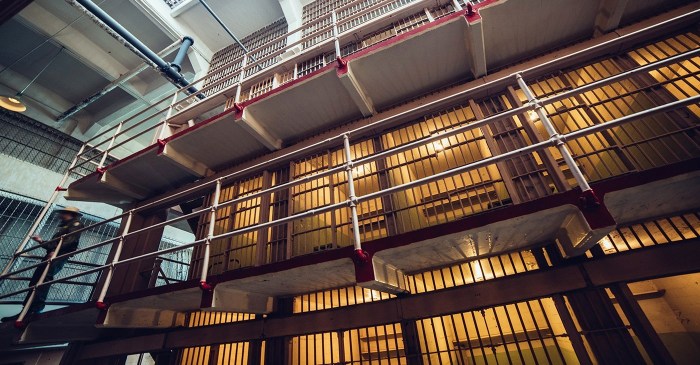 ” . . . the report’s authors said the local government should be doing more to support those who are justice-involved, including those who are formerly incarcerated and those with parole, probation, and community supervision.These individuals and their families struggle with access to housing, employment, educational opportunities, and meeting health and mental health needs and experience a patchwork of services that are under-resourced and not targeted to meet the complex challenges that come before, during, and after justice involvement, FPWA officials said.The result is a continuing cycle of poverty and incarceration that has a devastating impact on families for generations, they said.“If we are serious about ending mass incarceration, if we want to disrupt systems that criminalize the poor, we must better utilize and resource the organizations that are already providing critical services in these communities,” Jennifer Jones Austin, FPWA CEO and Executive Director, said in a news release.“Systemic racism drives both poverty and the mass incarceration of low-income people, especially people of color. This cycle of poverty and criminal justice involvement feeds on itself and creates herculean barriers to achieving economic and social advancement, for those who have been justice involved and for their loved ones,” Jones said.“There are proven ways to support communities experiencing high levels of poverty, income insecurity and incarceration. Human services organizations are a key part of those solutions,” she said.”









 Mourners attend a candlelight vigil in memory of 18-year-old Vonderrit Myers Jr. on October 9, 2014, in St. Louis, Missouri. Meyers was shot and killed by an off-duty St. Louis police officer.SCOTT OLSON / GETTY IMAGES


 OCG
OCG 