Huge Racial Disparities Found in Deaths Linked to Pregnancy – The New York Times


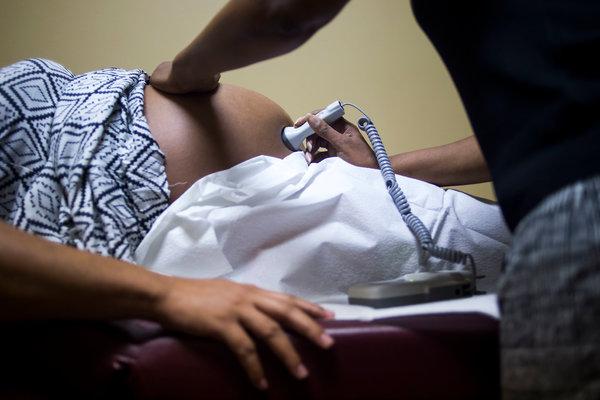
African-American, Native American and Alaska Native women die of pregnancy-related causes at a rate about three times higher than those of white women, the Centers for Disease Control and Prevention reported on Tuesday.The racial disparity has persisted, even grown, for years despite frequent calls to improve access to medical care for women of color. Sixty percent of all pregnancy-related deaths can be prevented with better health care, communication and support, as well as access to stable housing and transportation, the researchers concluded.“The bottom line is that too many women are dying largely preventable deaths associated with their pregnancy,” said Dr. Anne Schuchat, principal deputy director of the C.D.C.

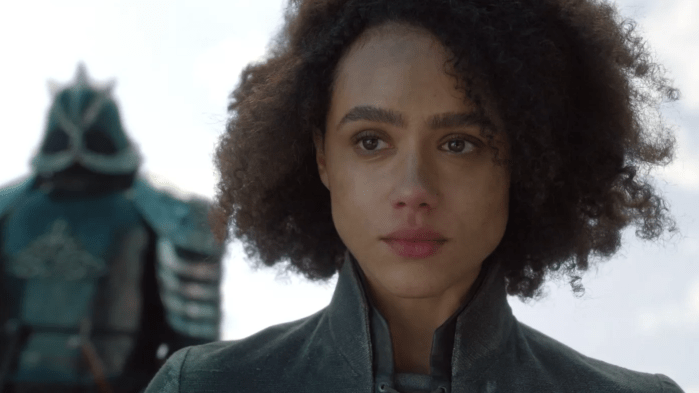
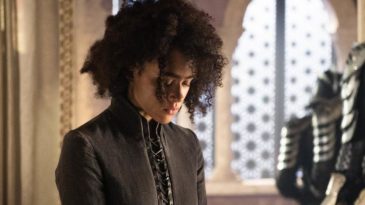
In Missandei’s Final Act, She Reminds Us That It Is Okay For Black Women To Be Angry


Before the final battle begins, a shackled Missandei is on display for Daenerys, Missandei’s lover Grey Worm, and the rest of her army. Refusing to bend the knee and give up the throne, Cersei commands The Mountain, her knights guard, to kill Missandei. When Cersei offers Missandei the opportunity to have any last words, she only has one: “Dracarys.” In the fictional language, High Valyrian, it literally translates to dragonfire. In her final act, the quiet and reserved Missandei tells both her queen and her lover to burn King’s Landing to the ground.

For Black women who love the show, last Sunday’s episode was especially difficult. As the only Black female character on the show, it seemed that Missandei was the only sister in all of the seven kingdoms. Seeing her back in chains was especially rough and, in light of the series’ trajectory, her death felt unnecessary.

Source: In Missandei’s Final Act, She Reminds Us That It Is Okay For Black Women To Be Angry

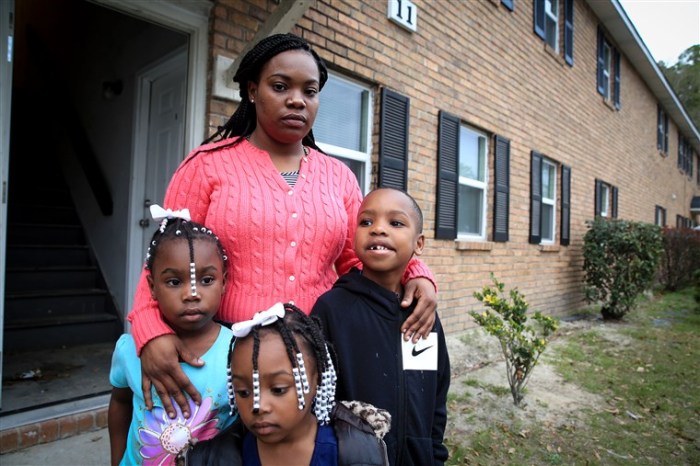
Carbon monoxide is killing public housing residents, but HUD doesn’t require detectors

Residents of a South Carolina public housing complex are demanding answers after two of their neighbors died from the gas.

Source: Carbon monoxide is killing public housing residents, but HUD doesn’t require detectors

A loophole lets SC hospitals take millions from residents’ tax refunds for unpaid bills | Business | postandcourier.com

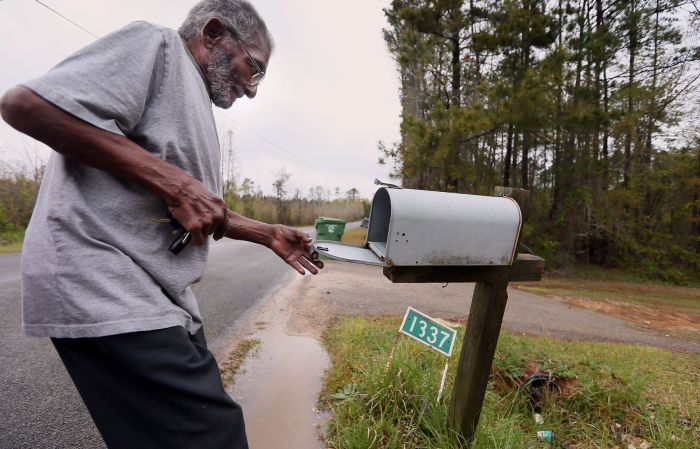
South Carolina hospitals are using a loophole in state law to scoop millions of dollars a year from the pockets of the poorest of patients. It mostly takes place outside the courts and the public eye.

A law originally written to help state and local governments collect debts is being used to seize tax refunds from people with past-due medical bills. The S.C. Department of Revenue does the legwork, and the cash flows straight into the coffers of some of the region’s largest health care companies.

The payoff is huge.

Source: A loophole lets SC hospitals take millions from residents’ tax refunds for unpaid bills | Business | postandcourier.com

How Race Made the Opioid Crisis | Boston Review


DONNA MURCH

Source: How Race Made the Opioid Crisis | Boston Review

Research Shows Entire Black Communities Suffer Trauma After Police Shootings ::: TruthOut

Research Shows Entire Black Communities Suffer Trauma After Police Shootings

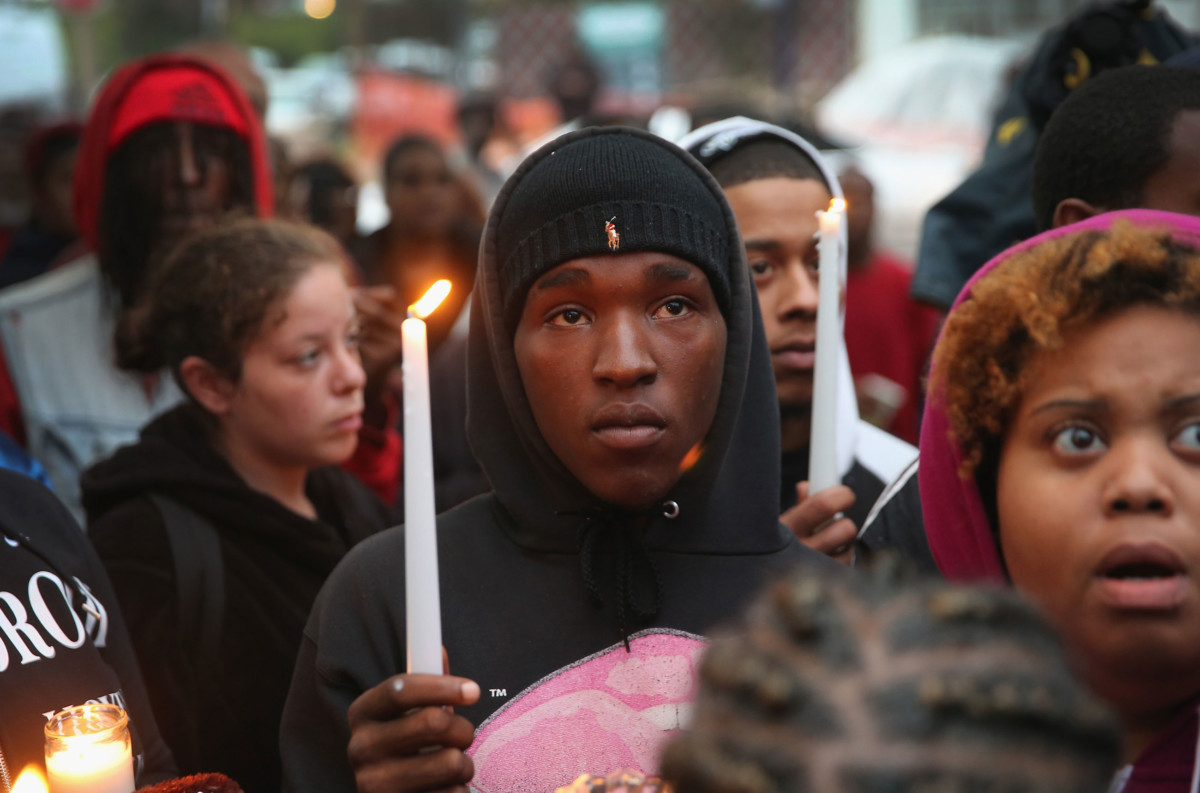
Following several nationally publicized police killings of unarmed Black Americans in the United States, Eva L., a fitness instructor who identifies as Black, started to experience what she describes as “immense paranoia.” She would often call in sick, because she feared risking an encounter with police upon leaving her house. She also started to second-guess her and her husband’s decision to have children.

“Seeing Black bodies murdered and physical/emotional violence online and on the news” was a trauma she could no longer bear, Eva says. “I was terrified of bringing a child into the world we live in and experience as Black people. I thought not having kids was a truer sign of love than risk them being harmed by this world.”

A recent study sponsored by the University of Pennsylvania — released just before the anniversaries of the deaths of Eric Garner (2014), Michael Brown (2014), John Crawford (2014), and Philando Castile (2016) — found that there could be millions like Eva, for whom these killings have been a mental health trigger.

Research included data from the Mapping Police Violence Projectdatabase for police killings between 2013 and 2016 and information from the Behavioral Risk Factor Surveillance System of over 103,000 Black Americans. The results indicate that police killings of unarmed Black Americans are having a population-level impact on the mental health of Black Americans.

According to researchers, the incidents may contribute to 1.7 additional poor mental health days per person every year, or 55 million more poor mental health days every year among Black Americans across the United States. That means the mental health burden for African Americans caused by police killings of unarmed Black victims is nearly as great as the mental health burden associated with diabetes. African Americans have some of the highest rates of the disease, which contributes annually to 75 million days of poor mental health among them.

Eva started seeing a therapist who diagnosed her as having generalized anxiety and post-traumatic stress disorder. It’s been two years now, and she admits that her progress toward healing has been slow, yet steady.

Jacob Bor, co-author of the study and assistant professor at the Boston University School of Public Health, says the responses in his social circle to police killings of unarmed Black victims is what interested him in conducting this study. Bor noticed that White people were able to comprehend “the injustice on an intellectual level but did not experience the same level of trauma.”

The study findings confirmed Bor’s personal observations. The research team did not observe spillover mental health effects in White respondents from police killings. It should also be noted that among respondents of either race, there were no spillover effects for police killings of unarmed White people or killings of armed Black people.

The research is essential in considering our own personal experiences, says Bor, adding that the findings speak to the overall “value of different people’s lives.” This society “has a long history of state-sanctioned violence” toward racially marginalized groups, he says.

The mental health sector is only now researching the impact of police brutality, a concern that has affected African Americans for decades. “Clinicians can go through medical school without [gaining] any experience in treating the effects of racism,” Bor says. Studies like his, he adds, can help to create long overdue critical mainstream discussions about the effects of racism on mental health, such as, “How do we in public health, society, and among the clinical and mental health services support people when these incidents occur?” and “Can a profession dominated by White providers effectively treat the emotional struggles of ‘living while Black’ in this country?”

According to Bor, these discussions are needed to implement change. “Among many White Americans, there is an empathy gap … and a failure to believe when people of color say ‘this hurts me,’” he says.

Adding to the deficiency of culturally competent therapists, poverty and other formidable socio-economic challenges — also stemming from structural racism — remain steadfast barriers to African Americans accessing mental health care, according to the American Psychological Association.

New York City’s first lady, Chirlane McCray, has also become a passionate advocate for what she describes as a movement for “culturally competent mental health care.”

“When you talk about people of color, who are obviously facing discrimination and legacy of racism and poverty in huge numbers, you are talking about something that is really tough to overcome,” McCray says.

Inadequate care undermines benefits from policies and resources designed to mitigate the burdens of systemic oppression. “Mental illness along with substance abuse disorders are hardship multipliers,” she says. Struggling unsupported with “mental illness can make everything that much harder.”

For example, holding on to affordable housing, staying enrolled in college, and even surviving encounters with law enforcement can be extremely more difficult for those suffering from mental illness or trauma, McCray says. In fact, the most recent annual numbers from the Washington Post’s database of fatal police-shooting victims indicate that “nearly 1 in 4 of those shot was described as experiencing some form of mental distress at the time of the encounter with police.”

“Mental health is the ultimate intersectional concern,” McCray says. “It is reflected in all of our policies … education, housing, school, relationships.”

In 2015, she and her spouse, Mayor Bill de Blasio, launched Thrive NYC, a $850 million mental health program that incorporates 54 initiatives. Among the program’s several core objectives is the aim to address the stigma around mental illness and increase access to treatment across the city. McCray believes that ThriveNYC’s community focused approach is one of several necessary steps toward reaching historically under served groups.

“Culturally competent care to me is all about trust,” McCray says. “It improves early identification, accessibility, and outcomes.” Also, she says, “People have to be seen.” From her advocacy experience she has observed that “people have to feel that they can turn to someone that they trust.”

Connecting people with the appropriate resources, however, means surmounting many challenges. “There is great deal of work to be done to eliminate the stigma,” McCray says. There is also the matter of affordability and infrastructure. “We’ve never had a well-coordinated mental health system in our country — ever. People who have the money find ways to manage.” She says she wants to fight for everyone to get the resources they need to cope.

Eva recognizes that her path to healing has taken a significant amount of work and support beyond the means of many African Americans. “Access to therapy is a privilege,” she says. “I know that most people can’t afford weekly sessions at $150-plus.” Yet, she adds, “[going through therapy] is the only reason why I’m OK planning for kids at 32.”


Tasha Williams writes about economics and technology. Follow her on Twitter: @riseupwoman.

An Open Letter to Those Who Still Give a Damn ::: John Pavlovitz

An Open Letter to Those Who Still Give a Damn

JULY 21, 2018 / JOHN PAVLOVITZ

From   JohnPavlovitz  Stuff That Needs to Be Said

It’s exhausting to give a damn isn’t it?

To be a person of compassion in a time when compassion is in such great demand?

To wake up every day in days like these, and push back against predatory politicians and toxic systems and human rights atrocities and acts of treason and spiritual leadership failures and Presidential Tweet tantrums—the volume and the relentlessness of the threats can be wearying.

You may have noticed.

I think you have.

And you’re not simply carrying around these big picture, larger systemic sicknesses and political realities—but the people behind them; the names and the faces and the lives of specific human beings who are under unprecedented duress right now; people whose stories you listen to and know and are living within, people you dearly love.

And day after day, all these massive realities and these individual stories begin to accumulate upon your shoulders and in your clenched jaw and in your elevated heart rate, and in the knot in your stomach that returns every morning when you check Twitter or turn on the news or step out into your community or walk into the kitchen—and you see so many reasons for grief, places so many places compassion is so needed and yet so scarce.

And worst of all, is how many people both at distance and very close to you, just don’t seem to give a damn; how the pain of other people simply doesn’t register in them anymore.

It seems like fewer and fewer people are capable of even an entry-level empathy for the suffering around them, and you’re seriously considering joining their ranks, because of how tired you are of carrying both your own and their share of compassion for a hurting humanity.

Not long after the election I purchased a blood pressure monitor. And not one of those manual base models, either. I went high-end, top of the line; full upper arm cuff, automated pressure, digital readout—the works. I soon stopped using it though, as it was a daily reminder of how stressed I was. I don’t look at it any longer. I don’t measure my blood pressure anymore. Now I just assume it’s dangerously high.

Those of us who give a damn all have new dangers assailing our hearts these days, and it is in this time of relentless urgency and sustained trauma and prolonged fatigue and profound fracture that you and I find ourselves.

I’m not sure why you’re reading this, but it’s probably because still you’re a damn-giver; because you are a fierce lover of humanity and of the planet, and of people who don’t look or worship or sound like you. As a result you probably find yourself pissed off, disconnected, isolated, worn out, and exhausted because how few people are as moved by the need around them as you are.

Whether you’re an activist or a minister or a parent or a caregiver, or just a citizen of the planet who is moved by other people’s suffering—you likely feel the immeasurable heaviness of these days. Sure, speed and activity can mask it for a while, but if you stop long enough, the reality of the fatigue catches up to you—you can measure the toll it’s all taken on you. I want you to measure it. I want you reckon with how tired you are. I want you to hear yourself exhale with the heavy sigh of someone who feels the weight of it all.

There is a cost to compassion, a personal price tag to cultivating empathy in days when cruelty is trending. There is in your body and head and in your midst, a collateral damage to you giving a damn when others do not, and it manifests itself in many ways: in irritability, impatience, physical illness, eating emotionally, addictive behavior, the inability to be present to the people who love you, an obsession with social media, a fixation on how jacked up everything is.

Notice these things in you today, and give them your attention.
Extend some of that compassion you’re so willing to extend to the world—to yourself.
Take some time to step away from the fray and the fight. It will still be there when you return, and you’ll be better able to face it.

Friend, I know you’re exhausted. If you’re not exhausted right now your empathy is busted. But I also know that you aren’t alone.
Millions of people are as tired as you are right now.
We too, live in disbelief at how callous so many people we know and love have become.
We too, are incredulous witnessing our elected leaders and parents and neighbors and pastors and parents and favorite aunts abandon any semblance of kindness.
We too, feel the fatigue of believing we’re doing this damn-giving alone.

You are in good company, so keep going.
Fight like hell to keep your heart soft, even while so many people have become hardened.
Yes the world is upside-down right now, but we can make it right—one beautiful act of decency at a time.
Get some rest and keep going.
The world needs people like you.

Blessed are the damn-givers, for they will right-side the world.

About John Pavlovitz  

John Pavlovitz is a writer, pastor, and activist from Wake Forest, North Carolina. In the past four years his blog Stuff That Needs To Be Said has reached a diverse worldwide audience. A 20-year veteran in the trenches of local church ministry, John is committed to equality, diversity, and justice—both inside and outside faith communities. In 2017 he released his first book, A Bigger Table. His new book, Hope and Other Superpowers, arrives on November 6th.

Contact John

Black Girls, Domestic Violence, and the Limits of Self-Defense | Black Agenda Report


Black Girls, Domestic Violence, and the Limits of Self-Defense

by Lindsey E. Jones

Recent scholarship in the history of black women and the carceral state illustrates the extent to which systems of criminal justice and law enforcement have both historically failed to protect black female victims of domestic violence and criminalized black women who rise up in their own defense.

Black Girls, Domestic Violence, and the Limits of Self-Defense

by Lindsey E. Jones

This article previously appeared in the blog of the African American Intellectual History Society.

Legal systems in this country explicitly and implicitly render black women defenseless against intra- and interracial violence.”

The case of Bresha Meadows, an African American teenage girl in Ohio, is a sad commentary on the failure of the state to protect victims of domestic violence. After a lifetime of watching him physically and psychologically abuse her mother—and of being subjected to threats and verbal abuse, along with her siblings—Bresha allegedly shot her father to death while he slept on July 28, 2016. While her mother’s family and her attorney consider her actions to have been in self-defense, the county prosecutor has charged Bresha with aggravated murder. It remains to be seen whether she will be tried as a juvenile or as an adult. At stake is the possibility that Bresha, who marked her fifteenth birthday in juvenile hall just weeks after her arrest, could spend the rest of her life in prison if convicted as an adult.

While the case is making its way through the courts and the families of Brandi Meadows (Bresha’s mother) and Jonathan Meadows (Bresha’s deceased father) share conflicting stories with news media about the latter’s personality and propensity toward violence, as well as their conflicting opinions about premeditation versus self-defense, it is important to note that this case is neither isolated nor entirely new. Recent scholarship in the history of black women and the carceral state illustrates the extent to which systems of criminal justice and law enforcement have both historically failed to protect black female victims of domestic violence and criminalized black women who rise up in their own defense.

“Survivors of intimate partner violence dramatically overrepresented among incarcerated black women.”

Historian Kali Gross, in providing historical context to the case of Marissa Alexander, argues that the state’s willingness to condemn this woman for defending herself against an abusive husband points back through centuries of American history to “the legacies of an exclusionary politics of protection whereby black women were not entitled to the law’s protection, though they could not escape its punishment.” Gross traces the ways in which “racialized, gendered notions of protection” have, from the seventeenth century on, shaped legal systems in this country that explicitly and implicitly render black women defenseless against intra- and interracial violence. She argues that this exclusionary politics of protection fuels the current mass incarceration crisis, with survivors of intimate partner violence dramatically overrepresented among incarcerated black women.1

Bresha Meadows’s case exemplifies Gross’s concept of the exclusionary politics of protection. This past May, Bresha ran away from home to the home of an aunt, Martina Latessa. Latessa, a police officer working in a domestic violence unit in Cleveland, was forced to return Bresha to her father, who had reported the girl as having been kidnapped by her aunt. Latessa reported her brother-in-law to Family Services, which resulted in an agent interviewing Brandi Meadows about the allegations of abuse—as Jonathan Meadows sat beside her. Neither law enforcement nor the state bureaucracy could protect Brandi Meadows and her children from this abuse, which she and her family assert intensified after this incident. As a result of the state’s failure to end the cycle of trauma in her family, Bresha Meadows took matters into her own hands—and was charged with aggravated murder, for which she could potentially spend the rest of her life in prison.

Gross’s essay compellingly reveals the intersections of race, gender, and class in black women’s hyper-vulnerability to domestic violence; state failure to prevent or put a stop to said violence; and the too-common outcome of black women being incarcerated for offenses resulting from attempting to defend themselves against domestic violence. However, as the case of Bresha Meadows illustrates, there is another vector of identity that often doesn’t appear in our historical analyses of black females and the carceral state: that is, age.2

“For black women in the Jim Crow South—as in antebellum times—domestic violence was constitutive of domestic labor.”

Where race, gender, and class have worked together to create the conditions discussed above, the erasure of age difference has historically created disadvantages for black girl victims of domestic violence. One prominent example recently provided by historian LaShawn Harris is that of Virginia Christian. Often referred to as the first woman to be executed by the Commonwealth of Virginia, Christian was in reality a seventeen-year-old girl when she was killed by electric chair in 1912—a fact that her advocates hoped would persuade the state to show her mercy.3

Virginia Christian belonged to a working-class black family in Hampton, Virginia, and needed to work in order to contribute to her household, including her disabled mother. From the age of thirteen, she served as a laundress for a middle-class white family named Belote in Hampton. During a dispute about missing jewelry that turned physical, Virginia killed the matriarch of the family—a crime she confessed to committing in self-defense. Harris argues that “Christian’s act of self-defense delineated working-class African American women’s impetuous ways of protecting their bodies and their often last attempts to seek and secure long-awaited personal justice—especially when legal protection seemed beyond their reach.” While there is no archival evidence that Ida Belote had laid hands upon Virginia Christian prior to this altercation, there is plenty of evidence to demonstrate that for black women in the Jim Crow South—as in antebellum times—domestic violence was constitutive of domestic labor, the racially prescribed set of occupations for black women and girls.4

Christian’s response was most immediately triggered by Belote’s accusations of theft and subsequent physical assault on March 18, 1912, but it is conceivable that she was also responding to other physical and psychological traumas accumulated over three years of working in the Belote household.

The analogy from Virginia Christian in 1912 to Bresha Meadows in 2016 is imperfect, but these cases both illustrate the extent to which the state has failed to consider age in evaluating black girls’ actions in self-defense from domestic violence. Sadly, over a century later, Bresha’s advocates find themselves making very similar demands of a system that hasn’t changed enough since Virginia’s trial, and employing very similar tactics in their pursuit of mercy for this abused adolescent girl.

“In the minds of whites, the accused, regardless of her age, was a deviant and vulgar black murderess that had to be punished for her crime.”

In the case of Virginia Christian, the Commonwealth of Virginia ignored evidence that Christian committed the crime at sixteen years of age in order to prevent her minority status from impeding its plan to execute her. Harris argues that, “in the minds of whites, the accused, regardless of her age, was a deviant and vulgar black murderess that had to be punished for her crime; essentially, Christians’ race trumped her gender and age. By denying Christian of her adolescent status, the State of Virginia sought to punish her to the full extent of the law.”5

Black and white Americans wrote letters and circulated petitions pleading with the Commonwealth to consider Christian’s youth as a factor in her crime and her punishment and to commute her sentence from execution to life in prison. In the end, neither Christian’s appeal to self-defense, nor her advocates’ appeal to adolescence, could spare her from the lethal retribution of the state.

In a throwback to the campaign to spare Virginia Christian’s life in 1912, advocates of Bresha Meadows are writing letters and circulating petitions in the hope that local prosecutors take into account her age and her status as a survivor of domestic violence as they proceed with charges against her. Because of the Supreme Court’s 2005 decision in Roper v. Simmons that it is unconstitutional to execute a person for a crime committed under eighteen years of age, the death penalty is not on the table for Bresha. However, because prosecutors could decide to try her in adult court, it is a real possibility that she could be sentenced to life in prison.

A century after Virginia Christian’s advocates passionately and strategically petitioned the Commonwealth of Virginia for life imprisonment, Bresha’s advocates argue that no adolescent should spend life in prison—especially not a girl pushed toward drastic action by a lifetime of trauma and abuse. There is thankfully still time for the prosecutors of Trumbull County to give real weight to Bresha Meadows’ traumatic life history, and to the fact that it spans fifteen short years, as they decide what action to pursue.

Lindsey E. Jones is a PhD Candidate in History of Education at the University of Virginia’s Curry School of Education and a 2016-2018 Pre-doctoral Fellow at the Carter G. Woodson Institute for African-American and African Studies at the University of Virginia. Her dissertation project, “‘Not a Place of Punishment’: the Virginia Industrial School for Colored Girls, 1915-1940,” historicizes the education and incarceration of black girls by examining Virginia’s only reformatory for delinquent African American girls. Follow her on Twitter @noumenal_woman.

NOTES:

1. Kali N. Gross, “African American Women, Mass Incarceration, and the Politics of Protection,” Journal of American History 102, no.1 (2015), 25–33.

2. For a contemporary examination of black girls, interpersonal violence, and the carceral state, see Jody Miller, Getting Played: African American Girls, Urban Inequality, and Gendered Violence (New York: NYU Press, 2008).

3. Lashawn Harris, “The ‘Commonwealth of Virginia vs. Virginia Christian’: Southern Black Women, Crime & Punishment in Progressive Era Virginia,” Journal of Social History 47, no.4 (2014), 922–42.

4. See, for instance: Tera W. Hunter, To ’Joy My Freedom: Southern Black Women’s Lives and Labors after the Civil War (Cambridge, Mass.: Harvard University Press, 1997); Thavolia Glymph, Out of the House of Bondage: The Transformation of the Plantation Household (Cambridge: Cambridge University Press, 2003); Sarah Haley, “‘Like I Was a Man’: Chain Gangs, Gender, and the Domestic Carceral Sphere in Jim Crow Georgia,” Signs 39 (Autumn 2013).

5. Harris cites “a 1910 Virginia statue prohibiting death to ‘any child under seventeen years of age who is charged with any felony, and never having been heretofore convicted in any court of a misdemeanor’” (931).

Source: Black Girls, Domestic Violence, and the Limits of Self-Defense | Black Agenda Report

Respectability politics are making black Americans sick — Quartz

Pull up your pants. Straighten your hair. Stop using the n-word.

blackamericans1
Black Americans have long been told that there is a “right” way to act in order to secure racial equality and individual promotion in the United States. Often, these recommendations are made by other black Americans attempting to mute certain cultural aesthetics in order to make white Americans feel comfortable in their presence. I recently attended a lecture where a middle-aged black American man explained that he yearned for the days when black men “had grace.” He posted a picture of black men circa 1940 in Tuskegee, Alabama, standing in a cotton field wearing pressed white shirts and suspenders.
As journalist Aurin Squire explains, black respectability presumes that “systematic oppression can be overcome if we’re clean, mild, moderate, and economically successful.” Yet in a time when black men are nine times more likely to be shot and killed by the police and people still protest those who point out police brutality, policing the appearance of black Americans is, at best, beside the point.
But the issue isn’t just that respectability is irrelevant. New evidence suggests that the beliefs that inform respectability politics are bad for black Americans’ health.

According to the Journal of Behavioral Medicine, attributing success to personal characteristics instead of biased structural systems may negatively impact black Americans’ health. Nao Hagiwara and her colleagues at Virginia Commonwealth University explored whether the “just world” belief—the belief that the world is a just place where people get what they deserve—would influence the relationship between perceived discrimination and health consequences for 130 black adults.
The psychologists found that participants who both strongly believed that the world was a just place and reported experiencing high levels of discrimination were more likely than other blacks to suffer from chronic illnesses and increased blood pressure. Why? Because respectability politics tells black Americans that what is happening to them in this country is our fault. In other words, we’re to blame for the 9.5% unemployment rate among black Americans, the police who fatally shoot unarmed black men, and the teachers who expect less academic success from black students. If we just pulled our pants up a little higher and turned our music down, the systematic discrimination that informs nearly every sector of American life would disappear. If the world is just, then the injustice we experience in it is on us.
This thought is literally making people sick.
Health care and mental health practitioners should work to educate themselves on the current status of racial issues in the United States. And they should encourage their black patients to reframe how they look at their experiences. An understanding of individual accountability must be supplemented with a more contextual assessment of negative events. This reframing could alleviate the stress that’s associated with the belief that our behavior determines all of our experiences–even in a deeply racist and unjust society.
By seriously considering the social systems and racist encounters experienced by black Americans, health practitioners may help their patients better assess their experiences and select tailored methods for health improvement. Those charged with caring for black lives should be among the first acknowledge that they matter.
You can follow Veronica Womack on Twitter at @vwomackphd. This piece was originally published in New America’s digital magazine, The New America Weekly. We welcome your comments at ideas@qz.com.

Source: Respectability politics are making black Americans sick — Quartz

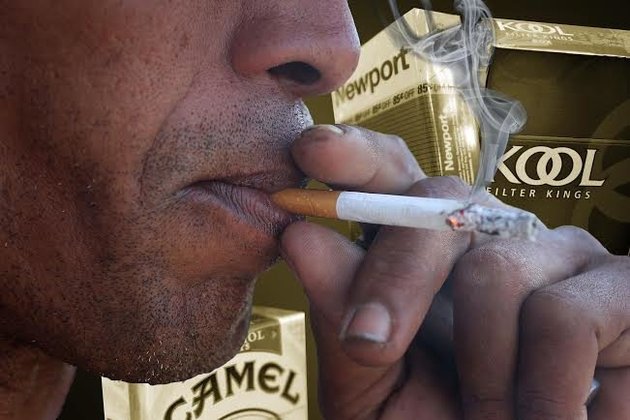
How Tobacco Companies Led A Devastating 50-Year Infiltration Into Black Communities

A college student’s film project reveals the targeted effort to push menthols onto the black populace.


Lincoln Mondy’s asthma is probably the only reason why he’s never smoked a cigarette.

Doctors warned his parents about the dangerous effects their smoking habit could have on their son, but it was almost impossible to stop because in Farmersville, Texas, “tobacco is everything,” according to Mondy. At the age of 14, Mondy took matters into his own hands when he made a PowerPoint presentation for his mom, whom he lived with, which warned her about tobacco’s adverse effects. With the support of Mondy and other family members, his mother eventually quit smoking by the time he was 15. But getting his father to quit was a different beast to tackle.

My black family all smoked menthol,” Mondy, who is biracial, told The Huffington Post about a pattern he noticed on his paternal family’s side. “Like why do they smoke menthol but my white side dips and smokes cigarettes that aren’t menthol?”

THE AFRICAN AMERICAN TOBACCO CENTRAL LEADERSHIP COUNCIL

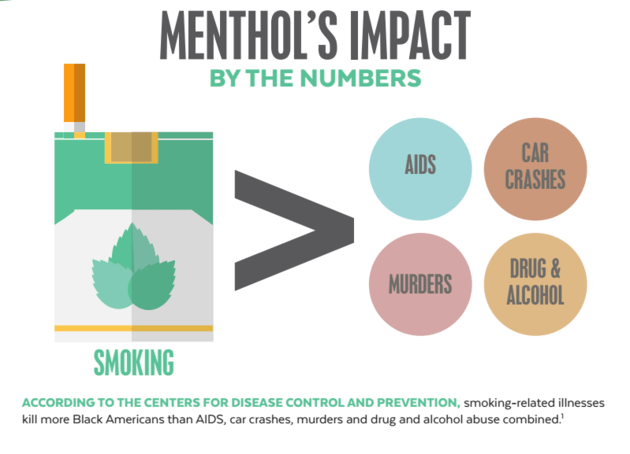
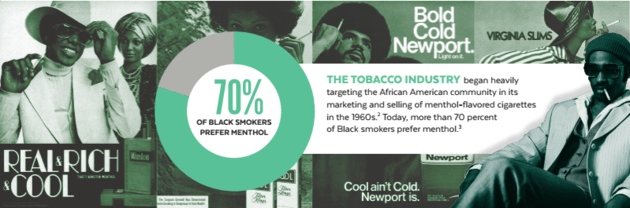
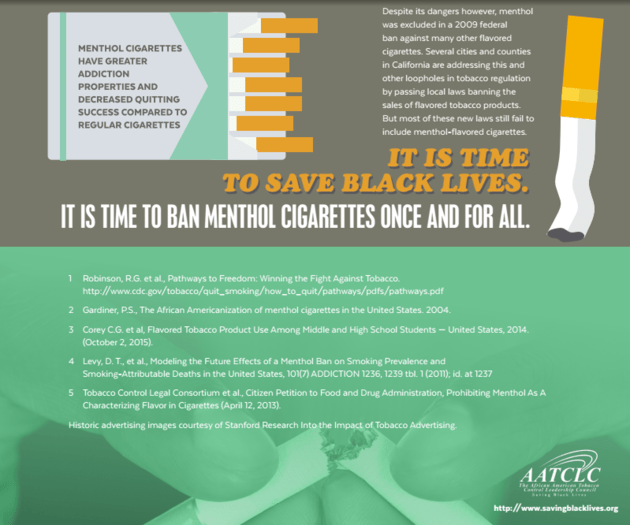
Menthol is a flavoring additive that makes it easier to inhale smoke which makes it more addictive than non-menthol cigarettes, according to the Center for Disease Control. More than 70 percent of black smokers prefer menthol, as shown in the infographics (above and below) by the African American Tobacco Control Leadership Council. After learning that black people are more likely to die from smoking-related diseases than whites, Mondy realized his father’s affinity for menthol wasn’t a coincidence.

The now 22-year-old senior at George Washington University, started to research the campaigns big tobacco companies used to target black communities for his film project,“Black Lives/Black Lungs.” The film was published in March in conjunction with Truth Initiative, and he found some very disturbing facts.

Check out “Black Lives/Black Lungs” in the video below and keep scrolling to continue the story.

Mondy searched for keywords within the Truth Tobacco Industry Documents database like “ethnic,” “ghetto,” “lower income” and “negro.” He found countless documents that outlined tobacco companies’ strategies in its campaigns which were aimed specifically at black people. He said the latter three search terms yielded results that surprised him, but it was a document from Lorlliard Tobacco that said “negroes” smoke menthol to “mask a real/mythical odor,” which he said disturbed him the most.

They started really seeing [that] saying menthols would make people think ‘fresh breath,’” Mondy said of his findings. “So in like the ‘60s they started targeting on that. They really started going really hard on ‘hey, smoke this, it’s healthier, fresh breath, minty,’ those kind of buzz words that would make people feel like its healthier than a regular cigarette.”

In addition to the language used in advertisements, these tobacco companies would buy a disproportionate amount of ad space in black publications like Ebony, Jet and Essence in comparison to mainstream magazines like Life, Vanity Fair and Elle. In 1962, Ebony carried twice as many cigarette ad pages as Life. These ads showed black men and women with cool and even empowering demeanors as they held a cigarette.

Many tobacco companies were ordered in 2014 by U.S. District Judge Gladys Kessler to run corrective statements in many publications about their overall misleading messages about the negative health effects of smoking in ads, but black media outlets were completely ignored.

THE AFRICAN AMERICAN TOBACCO CENTRAL LEADERSHIP COUNCIL

Mondy also found that businessmen from tobaccos companies would take “ethnic field trips” to neighborhoods highly populated with black people in the ‘60s where they would stay for hours and give away menthol cigarettes.

“You’re getting them hooked for free,” Mondy said of the these “disturbing” marketing tactics by the tobacco companies. “So they’d go and take really impressive research to kind of pinpoint the culture and see what people like, what people don’t like. And then, maybe like three months later, after that one ethnic field trip, there’d be an ad targeted specifically to that population.”

Phillip Gardiner, public health activist and co-chair of the African American Tobacco Control Leadership Council, wrote in his 2002 study “The African Americanization of menthol cigarette use in the United States” — which Mondy refers to often in his research — that tobacco companies saw the distinct traits of the black community, philanthropy included, and adjusted their marketing accordingly to build the community’s trust:

“Because the industry was based in the South, and the majority of black people lived and worked in the South, even as many migrated to urban centers, it was to the advantage of the tobacco industry to develop a strategic relationship with the African-American community. Moreover, the tobacco industry was one of the first major corporate employers to hire and promote African-Americans, not just in the processing of tobacco but also as executives (Gardiner, 2001; Robinson & Sutton, 1994).”

Mondy called the tobacco industry’s infiltration into the black community “strategic.” Tobacco companies like Altria have donated millions of dollars to black institutions — including the Congressional Black Caucus Foundation, historically black colleges and universities, and the NAACP — over the years. In 2014, Altria donated one million dollars to the Smithsonian National Museum of African-American History and Culture which opens this year. Mondy said these institutions would risk vital funding which could ultimately help them to have a positive impact on the black community if they spoke up against the tobacco companies.

They have no choice,” he told HuffPost. “In the ‘70s when the NAACP needed funding for meetings, the tobacco industry was there, no one else was there. The tobacco industry was there to give money to them so they couldn’t say smoking is bad.”

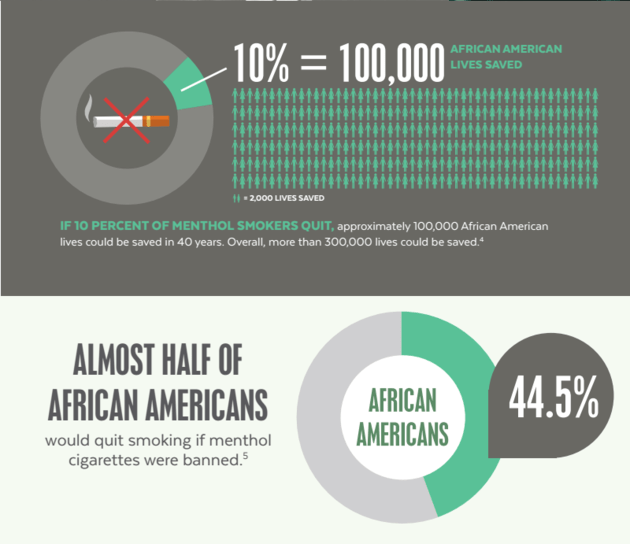
Today, menthol is the only tobacco additive that is not banned, despite a 2009 law which banned other flavor additives like cherry and bubblegum. Yet, as shown in the graphic below, the Tobacco Control Legal Consortium found that if menthol was banned that 44.5 percent of black smokers would quit smoking tobacco.

THE AFRICAN AMERICAN TOBACCO CENTRAL LEADERSHIP COUNCIL

Mondy said he believes the reason it hasn’t been banned is due to political reasons — Lorillard, the company which produces Newports, has donated to more than half of the black democrats in Congress compared to just under 3 percent of non-black Democrats in 2014.

In 2015, Lorillard, whose sales depended on menthols for roughly 85 percent of sales the year prior, merged with Reynolds American Inc. — the company that owns R.J, Reynolds Tobacco Company. Jacob McConnico, a spokesperson for the R.J, Reynolds Tobacco Company, provided a statement to HuffPost in regards to claims about marketing practices that specifically targeted the black community in the past few decades and today:

“I am not able to provide any insight to claims related to alleged marketing activities of up to 50 years ago. I can tell you, as it relates to our marketing today, our marketing efforts are designed to reach a wide and diverse audience of adult tobacco consumers. Those efforts are designed to include elements of interest for all adult smokers, regardless of their ethnicity or gender. Adult African-Americans, Hispanics, and other minorities have the same ability and right as the rest of the population to evaluate and make informed decisions about whether or not they want to use tobacco or any other consumer product. It would not be appropriate to exclude minority audiences or media from our brand communications.”

Steve Callahan, a representative for Altria Client Services, the company which owns Philip Morris USA brands such as Marlboro, Virginia Slims, among others, also said that he couldn’t speak on marketing campaigns from the past in a statement to HuffPost. He said there has been tighter regulation on tobacco companies due to the 1998 Master Settlement Agreement which changed the way brands market tobacco and the 2009 Tobacco Control Act in which the Food and Drug Administration began regulating the manufacture, distribution and marketing of these products.

Also, Callahan said to HuffPost that Philip Morris USA is “committed to marketing our products responsibly by building relationships between our brands and adult smokers while taking steps designed to limit reach to unintended audiences.” He added, “Philip Morris USA markets its menthol cigarette brands using the same marketing approaches it uses for its non-menthol cigarette brands.”

Advocates like Gardiner, however, aren’t convinced that tobacco companies shouldn’t be held accountable.

The bottom line is that African-Americans prefer menthol cigarettes because the tobacco industry pushed these products on and created the demand among this population,” Gardiner wrote in his study. “Did the industry do this on purpose? The answer to this question is an unequivocal yes.”

Despite tobacco’s deep impact on the black community, Mondy said he’s using his “Black Lives/Black Lungs” project as a vehicle of hope. With the help of Truth Initiative, he plans on interviewing key players in the fight to ban menthol and turn his findings into a documentary which he intends to premiere this summer. His efforts aren’t to shame smokers because quitting tobacco can be a hard feat, especially, if a person may have smoked his or her entire life. Instead, he said he wants to educate people on the issue.

AFRICAN AMERICAN TOBACCO CONTROL LEADERSHIP COUNCIL

Mondy’s approach to informing others has even made his father take quitting more seriously. He said his dad texted him in February to tell him that he had gone 30 days without smoking a cigarette, the longest in Mondy’s lifetime.

“This is like so engorged into our community,” he said. “I think it’s important to equip people with the education and information and so like, I’m not going around saying ‘smoking is bad, stop smoking.’”

Instead, Mondy said he hopes the research he provides will lead people to make an informed decision on whether they want to quit smoking or “keep buying from these companies that benefit from black death.”

Learn more about the tobacco industry’s targeted campaign on the black community with “Black Lives/Black Lungs” and watch the video above.

Source: How Tobacco Companies Led A Devastating 50-Year Infiltration Into Black Communities