
A cast iron bust of Cudjo Lewis, one of the last survivors of the slave ship Clotilde, can be found in front of the historic Union Missionary Baptist Church in Africatown. (Graveyardwalker (Amy Walker) Wikimedia Commons )
“The excitement and joy is overwhelming,” says Woods, in a voice trembling with emotion. She is 70 years old now. But she’s been hearing stories about her family history and the ship that tore them from their homeland since she was a child in Africatown, a small community just north of Mobile founded by the Clotilda’s survivors after the Civil War.The authentication and confirmation of the Clotilda was led by the Alabama Historical Commission and SEARCH Inc., a group of maritime archaeologists and divers who specialize in historic shipwrecks. Last year, the Smithsonian’s National Museum of African American History and Culture’s Slave Wrecks Project (SWP) joined the effort to help involve the community of Africatown in the preservation of the history, explains Smithsonian curator and SWP co-director Paul Gardullo.”


“After the Emancipation Proclamation, the newly freed Africans tried, but failed to return to their beloved homeland Africa. The story describes the group reuniting from various plantations, alongside American-born, formerly enslaved men, women and children. The Africans bought land and founded their own settlement, which came to be known as Africatown.”
The Full Story:
Africatown USA Trailer from Roslyn Williams on Vimeo.


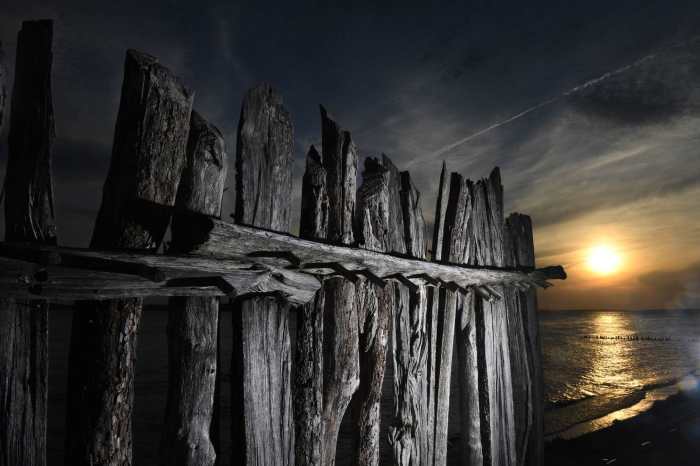

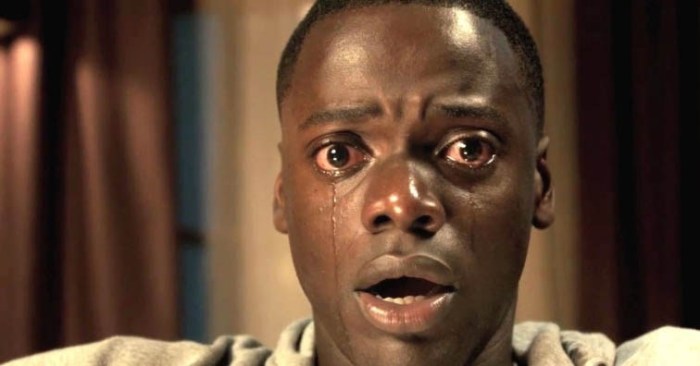


 “American slavery was “officially” buried by our nation’s ratification of the 13 14 and 15 amendments to the constitution. But the ghosts of slavery soon inhabited new forms — political, economic, and cultural — intent on returning Blacks to a position of abject servitude and subordination. Jim Crow segregation embodied slavery’s spirit of White supremacy, allowing it to live on in a different form. The civil rights movement of the mid-twentieth century was but another attempt to exorcise from American life the demonic spirit of slavery that had so horrifically deformed American institutions and culture. But by 1980 it was clear, yet again, that notwithstanding the “official” death and burial of old Jim Crow — a death certified by the passage of the 1964 Civil Rights, 1965 Voting Rights, and 1968 Fair Housing Acts — the past lived on. The ghosts of American slavery and its mutant offspring, Jim Crow, roamed the land of the free and haunted the home of the brave in search of new cultural, political, and economic practices to possess and infest. American slavery was “officially” buried by our nation’s ratification of the 13 14 and 15 amendments to the constitution. But the ghosts of slavery soon inhabited new forms — political, economic, and cultural — intent on returning Blacks to a position of abject servitude and subordination. Jim Crow segregation embodied slavery’s spirit of White supremacy, allowing it to live on in a different form. The civil rights movement of the mid-twentieth century was but another attempt to exorcise from American life the demonic spirit of slavery that had so horrifically deformed American institutions and culture. But by 1980 it was clear, yet again, that notwithstanding the “official” death and burial of old Jim Crow — a death certified by the passage of the 1964 Civil Rights, 1965 Voting Rights, and 1968 Fair Housing Acts — the past lived on. The ghosts of American slavery and its mutant offspring, Jim Crow, roamed the land of the free and haunted the home of the brave in search of new cultural, political, and economic practices to possess and infest. ”






 OCG
OCG 