Breaking Barriers: Why Black-Owned Beauty Supply Stores Are Important And On The Rise

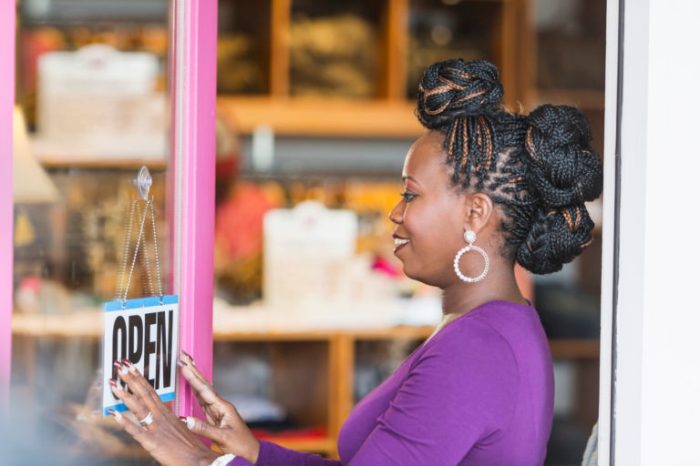
As the tides change, more African-Americans—both nationally and abroad—are getting into the haircare and beauty supply store industry, while also making sure that they are doing business with other Black beauty entrepreneurs in the process.“Koreans used to control the market, now they are selling the stores back to us because their kids do not want to take on the store,” says Sam Ennon, President and CEO of The Black Owned Beauty Supply Association . Over the past 15 years, the organization has helped open 450 Black-owned beauty supply stores across the country.

“The second and third generation (of Korean Americans) went to college and go into other professions,” Ennon added. “We’re very pleased with the future of the Black haircare industry where it’s going because more entrepreneurs, more young people are getting into the business,” Ennon shared recently with CNBC.  This new trend presents a unique, yet profitable, opportunity for the Black community and combats the continuous racial profiling many of us have experienced or witnessed shopping in most Asian-owned stores. Just this month, two black women were physically attacked by a store owner.

Despite being such a highly-visible staple in our community, there are still several unknowns within, and about, the industry. To answer some of the outstanding questions about breaking into the business, we reached out to several store owners who shared some of the gems they’ve learned on their entrepreneurial journeys in hopes of helping out the next generation of black beauty store bosses.  Keep reading below to hear what they had to say.

Source: Breaking Barriers: Why Black-Owned Beauty Supply Stores Are Important And On The Rise

Race for Profit: How Banks and the Real Estate Industry Undermined Black Homeownership : Keeanga-Yamahtta Taylor

Recommended Reading: Keeanga-Yamahtta Taylor

(Justice, Power, and Politics reading)

By the late 1960s and early 1970s, reeling from a wave of urban uprisings, politicians finally worked to end the practice of redlining. Reasoning that the turbulence could be calmed by turning Black city-dwellers into homeowners, they passed the Housing and Urban Development Act of 1968, and set about establishing policies to induce mortgage lenders and the real estate industry to treat Black homebuyers equally. The disaster that ensued revealed that racist exclusion had not been eradicated, but rather transmuted into a new phenomenon of predatory inclusion.

Race for Profit uncovers how exploitative real estate practices continued well after housing discrimination was banned. The same racist structures and individuals remained intact after redlining’s end, and close relationships between regulators and the industry created incentives to ignore improprieties. Meanwhile, new policies meant to encourage low-income homeownership created new methods to exploit Black homeowners. The federal government guaranteed urban mortgages in an attempt to overcome resistance to lending to Black buyers – as if unprofitability, rather than racism, was the cause of housing segregation. Bankers, investors, and real estate agents took advantage of the perverse incentives, targeting the Black women most likely to fail to keep up their home payments and slip into foreclosure, multiplying their profits. As a result, by the end of the 1970s, the nation’s first programs to encourage Black homeownership ended with tens of thousands of foreclosures in Black communities across the country. The push to uplift Black homeownership had descended into a goldmine for realtors and mortgage lenders, and a ready-made cudgel for the champions of deregulation to wield against government intervention of any kind.

Narrating the story of a sea-change in housing policy and its dire impact on African Americans, Race for Profit reveals how the urban core was transformed into a new frontier of cynical extraction.

ABOUT Keeanga-Yamahtta Taylor @KeeangaYamahtta

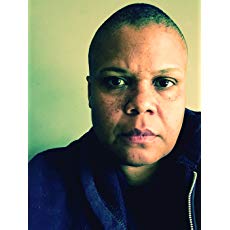
Keeanga-Yamahtta Taylor is Assistant Professor of African American Studies at Princeton University. Taylor’s writing and scholarship engage issues of contemporary Black politics, the history of Black social movements and Black radicalism, and issues concerning public policy, race and racial inequality. Taylor’s writing has been published in New York Times, The Guardian, Los Angeles Times, Boston Review, The Paris Review, The New Republic, Al Jazeera America, Jacobin, In These Times, New Politics, Souls: A Critical Journal of Black Politics, Culture and Society, and beyond. Taylor is also author of the award-winning From #BlackLivesMatter to Black Liberation published by Haymarket Books in 2016. She is also author of How We Get Free: Black Feminism and the Combahee River Collective which won the 2018 Lambda Literary Award for LGBTQ Nonfiction. Taylor’s forthcoming book with the University of North Carolina Press, titled Race For Profit: How Banks and the Real Estate Industry Undermined Black Homeownership will be published in October of 2019.

Taylor received her PhD in African American Studies at Northwestern University in 2013.

Inside the “Most Incarcerated” Zip Code in the Country | The New Republic

Inside the “Most Incarcerated” Zip Code in the Country 53206, a heavily African American neighborhood north of downtown Milwaukee, suffers from all manner of ills—not least of which are the myths of criminality that continue to surround it.

Robinson’s family came to Milwaukee from Chicago in the 1980s because, as Robinson put it, “Chicago was getting out of pocket.” With crime rising and jobs disappearing in the Windy City, she told me, “my mom wanted a better place for us to live.” But Robinson’s mother could never have anticipated the crucibles awaiting her daughter in Wisconsin—the array of social and political deficits associated with the five numbers that came at the end of her listed address: 53206, now notoriously known as the most incarcerated zip code in the country.

The neighborhood’s rectangular outline sits like a brick just north of the Fiserv Forum, home of the NBA’s Milwaukee Bucks in downtown Milwaukee, where the 2020 Democratic National Convention will be held next summer. In addition to its high incarceration rates, 53206, a heavily African American district, suffers from every manner of social ill, from socioeconomic stagnation to poor health. The Democratic primary field is teeming with proposals to address these ingrained injustices, and the party’s eventual candidate will also have a personal incentive to pay attention to what is happening in 53206: Its residents, among others in Milwaukee, may well prove to be the key to Democrats’ hopes of winning the battleground state of Wisconsin and unseating Donald Trump in the presidential election.

As long as those residents can gain access to the ballot, that is.African Americans represent nearly 40 percent of Milwaukee’s population, but their political clout has been diminished by laws that suppress the black vote. There is also the problem of African Americans choosing not to vote: Black turnout in Wisconsin dropped nearly 19 percent between the 2012 to the 2016 elections—a clear sign that, despite their historic need to mobilize black voters, Democrats haven’t been meeting the challenge especially well of late.

Source: Inside the “Most Incarcerated” Zip Code in the Country | The New Republic

How Men Distort the Race Debate | The New Republic

Patriarchy functions in much the same way, particularly with respect to how the many life-destroying dynamics of anti-Black racism are erased and redubbed into a baby-simple saga of negligent Black mothers and absent Black fathers. Whether the inequality at issue is the police killing of Black people, the mass incarceration of Black communities, anti-Black violence, disparities in health and wealth, crumbling schools, abandoned cities, or diminishing political power, the patriarchal neuralyzer manages to make it all vanish in a blinding flash. Neuralization isn’t new.

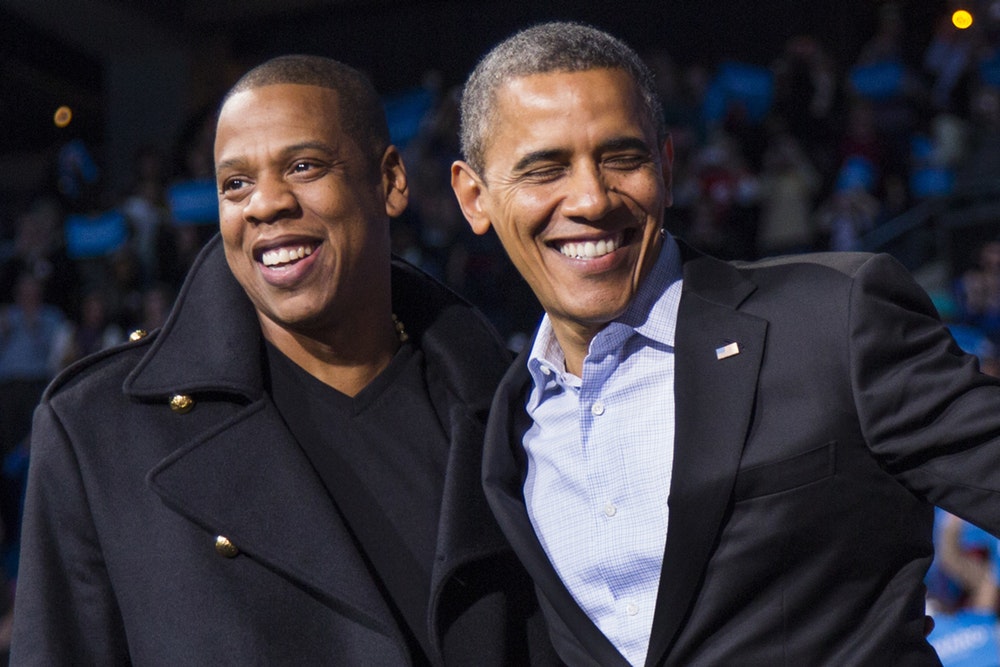
In fact, a telltale sign of its impact is just how enthusiastically stunned and disoriented witnesses lapse into incoherent analysis. In Jay-Z’s case, his viewers became mired in a vastly oversimplified bit of pop psychology when the hip-hop legend conjured up an explanation for Black death at the hands of police that had been recycled from generations of earlier commentators who rest the blame on Black gender disrepair: “You’re like, ‘I hate my dad. Don’t nobody tell me what to do. I’m the man of the house.’

And then you hit the streets and run into a police officer and first thing he says, ‘Put your hands up, freeze, shut up,’ and you’re like, ‘Fuck you!’”Meanwhile, during September’s Democratic presidential debate in Houston, the party’s front-runner, Joe Biden, was asked to address earlier views in which he angrily rejected any responsibility for addressing slavery.

Given the opportunity to talk concretely about the contemporary legacies of slavery, Biden produced his own neuralyzed script. Regurgitating a tangled fur ball of tropes from policy debates past, Biden delivered an impressionistic, stereotyped word-picture of Black family life that only made notional sense because of the exhausting familiarity of the narrative.

Source: How Men Distort the Race Debate | The New Republic

Kimberlé Williams Crenshaw is the founder and executive director of the African American Policy Forum.  @sandylocks

Bad Romance | Boston Review

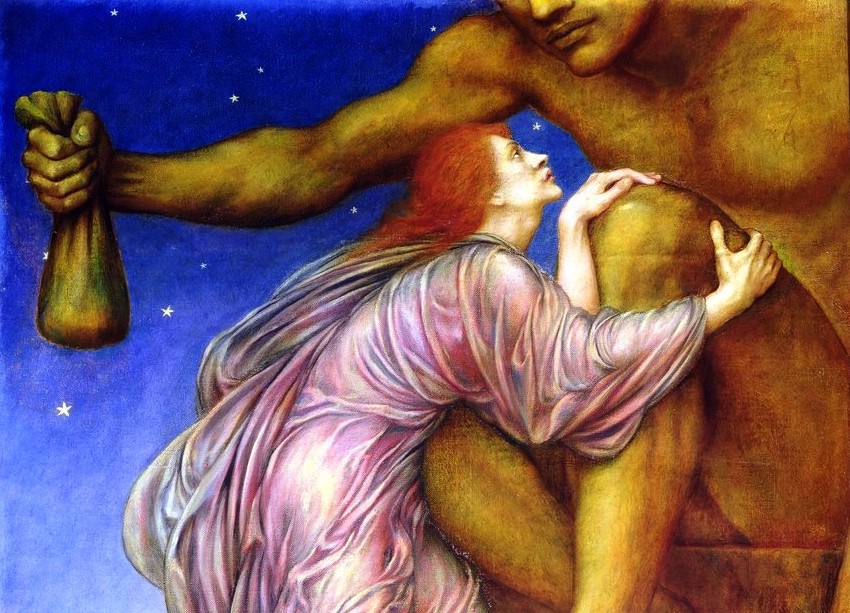
Capitalism twists our God-given love for neighbor and world into a force of estrangement, and it transforms our God-given desire to work into forms of exploitation.

McCarraher contends that this whole story is disastrously misguided; it keeps us from seeing how capitalism functions, and why it continues to exert so much appeal. Disenchantment, he argues, never happened. Our world is still soaked with meaning, just as it was in the Middle Ages. We are not abandoned to a universe of moral relativism and nihilism, because capitalism and its prophets have offered an astonishingly stable set of alternatives. “Capitalism,” McCarraher insists, “is a love story.” What he means is that the market translates the poetry of our desire into the prose of institutions and exchange. (And isn’t this the structure of any love story, or at least those ending in marriage?) Our world, in other words, is just as “enchanted” as the one of our medieval forebears: the human frame is such that it could not survive otherwise. Capitalism offers us community, faith, ritual, nature worship, and everything else that we imagine in the enchanted worldview of the past.

The trouble is that it is black magic. It twists our God-given love for neighbor and world into a force of estrangement, and it transforms our God-given desire to work into forms of exploitation. The problem with capitalism isn’t that it lacks values, but that it values the wrong things. If McCarraher is right, the salvation we seek will not come through technological breakthroughs or even the creation of new political coalitions. The first order of business, he thinks, is to learn how to love again, and to love better.

Source: Bad Romance | Boston Review

What Elijah Cummings Meant to Baltimore | The New Yorker I Jelani Cobb

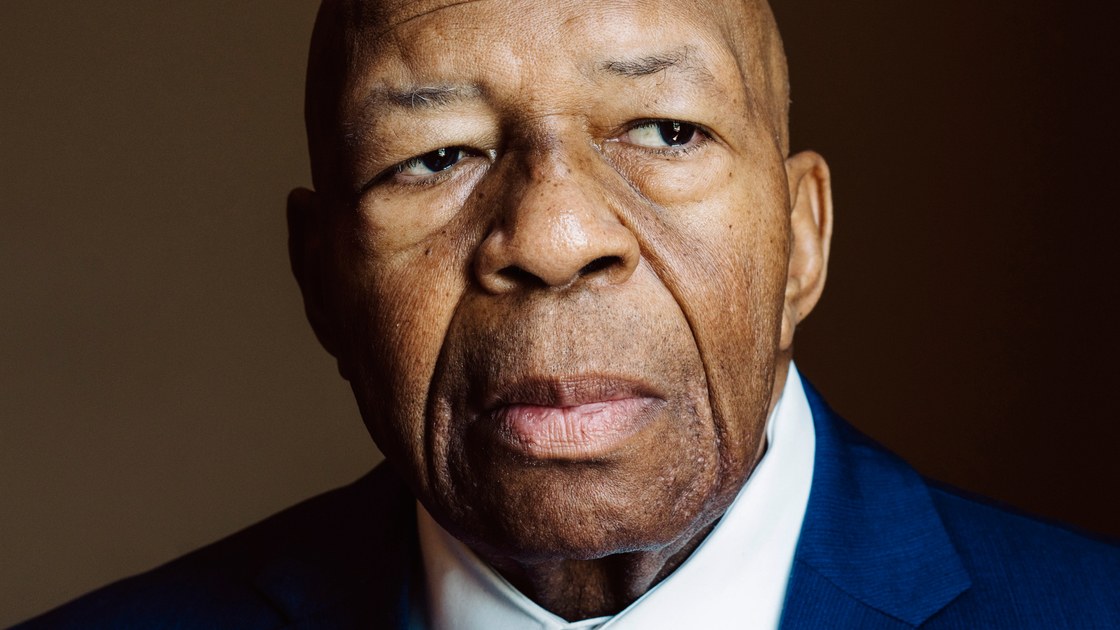
U. S. Representative Elijah Cummings  1951- 2019

” . . . One other thing: democracy. Cummings, in his speeches, particularly those he gave in the past few years, insistently invoked it, and not in the inert way that elected officials tend to. He spoke of democracy as something vital and fragile and valuable, an inheritance that had to be safeguarded for future generations. When he spoke of HR-1, the exhaustive election-protection bill that the Democrats introduced in January, as their first piece of legislation of this Congress, he mentioned his ninety-two-year-old mother, who had died a year earlier. She was a former sharecropper, who implored him, “Do not let them take our votes away from us.” He viewed his chairmanship of the House Oversight and Reform Committee as part of the battle to protect voting rights. His death unleashes a flurry of speculation about whom the Democrats will choose to next lead the committee—Representative Carolyn Maloney, of New York, will serve as the acting chair—and how that person will oversee its portion of the impeachment inquiry. Those matters will be resolved at a future date. What remains clear is the void that Cummings’s absence leaves in his district and his country. This would have been the case at nearly any point in his quarter century in Congress. But it’s even more acute in this one. In a fiery bit of oratory delivered at the introduction of HR-1, he pledged to “fight to the death” in defense of voting and, thereby, democracy. It was a promise that he made good on.”

Source: What Elijah Cummings Meant to Baltimore | The New Yorker   

Rep. Cummings was a Baltimore native and attended Howard University, where he obtained a Bachelor’s Degree in Political Science and served as student government president.

“Congressman Cummings has dedicated his life of service to uplifting and empowering the people he is sworn to represent,” his official biography says.

“He began his career of public service in the Maryland House of Delegates, where he served for 14 years and became the first African American in Maryland history to be named Speaker Pro Tem,” it says. “Since 1996, Congressman Cummings has proudly represented Maryland’s 7th Congressional District in the U.S. House of Representatives.” At the time of his death, he served as the Chair of the US House Oversight Committee.

He died on Oct.17,2019.

Jelani Cobb is a staff writer at The New Yorker and the author of “The Substance of Hope: Barack Obama and the Paradox of Progress.”

Theater of Forgiveness ll Hafizah Geter

As a child, though I could never quite name the offenses of white people, I could sense the wounds they had left all over the Black people who surrounded me. The wounds were in the lilt of Black women’s voices, in the stiffened swagger of our men; it was there in the sometimes ragged ways my boy cousins would be disciplined. And I knew this work of forgiving had somehow left bruises on my aunts so deep it made their skin shine. In church, we prayed and forgave white people like our prayers were the only thing between them, heaven, and damnation.It’s left me wondering: Does forgiveness take advantage of my people?***

Being Black in America means having a historical relationship to forgiveness. If the law of Audre Lorde holds true and “the master’s tools will never dismantle the master’s house,” Christian forgiveness was never designed to tackle white supremacy, only pardon it. Christianity emerged from our slave masters. We were forbidden to read, but could pray. In the face of this new, white god, our ancestors looked for solace and hope. Slaves were entitled to nothing, not even their anger. Performing forgiveness became a crucial aspect of slaves’ lives. They held forgiveness in their mouths as both salve and armor. But if Christianity is the master’s tool, then surely white supremacy is its house and the Christian ideal of forgiveness will never be able to address, dismantle, or truly forgive white supremacy. So what happens when the performance of Black forgiveness gets repeated through several generations until it becomes ritualized and transformed into tradition?How, in the 21st century, do we escape the theatre of forgiveness?

If the law of Audre Lorde holds true and ‘the master’s tools will never dismantle the master’s house,’

Christian forgiveness was never designed to tackle white supremacy, only pardon it.I am trying to trace the trickle-down effect of suppressing Black rage through forgiveness in my family. How my enslaved ancestors must have chewed on their rage like cud until it was unrecognizable enough to be called forgiveness. How that rage tumbled through our bloodstream, generation after generation. How it made our men mean and our women the only thing America would possibly let them get away with breaking. How our women raised other people’s children by themselves, and arrived home too tired or too shattered to save their daughters from the grown men they themselves loved. How rage has sent us imploding.

How rage grips my father’s people, turning our men into tripwires until both our traumas and our resilience are passed down from generation to generation. Over and over, I see how white supremacy and altered expectations of justice have forever molded the Black American side of my family.***In 1990, I was standing in Aunt Sarah’s basement, her linoleum floor corners peeling beneath the damp, dim light, her basement a ghostly type of cold. Being in Aunt Sarah’s basement often felt like being in a bunker. It always smelled wet like old snow resisting thaw, the ceiling low enough to give a tall man a backache. Thin layers of dust glimmered beneath the Morse code of flickering fluorescent lights, gripping the wood lacquer of the entertainment console.Aunt Sarah’s basement was filled with board games and decks of cards that neighborhood children would often come by to play with. Monopoly? Too vast in its pieces. The tiny colored discs of Connect Four? Too loud in their dropping clinks. Being 6, I trusted myself enough to accurately consider risk, weigh all options. It was simple, though. These games were not for me. Aunt Sarah and I both knew it. The contract between Aunt Sarah and me consisted of only two agreements: I would remain silent and invisible in her house.I knew the danger of the wrong game.I don’t know how cruelty finds us, but cruelty I incited in my Aunt. It seemed that every little thing I did set her off. I the flint, she the firecracker. If I spoke, her eyes would beat me like a switch pulled from a backyard tree. If Aunt Sarah wanted to teach me anything in this world, it would be my place.Easter breaks, when we were released from our Catholic school uniforms into the ether of our lives for two weeks, my parents would load my sister and me in the car and drive to Dayton to drop us off at my Aunt Sarah and Uncle Rodge’s.

On those trips, I’d sit in the back, the synthetic velvet curtains of our Dodge Caravan windows splayed open as I considered escape routes, what it would take to disappear, anxiously rubbing my fingers against the curtain’s grain.Throughout our childhood, these drives from Akron to Dayton were a regular occurrence. My father’s mother and both his sisters lived there. Strife and the years my grandmother spent trying to get her children out of Alabama had banded the four of them together like cement. During my father’s and aunts’ youths, the extended family and community around them had been filled with men who found relief in the bruises they left on women, who . . .

Source: Theater of Forgiveness  

Hafizah Geter | Longreads | November 2018 

IRS: Sorry, but It’s Just Easier and Cheaper to Audit the Poor — ProPublica

IRS: Sorry, but It’s Just Easier and Cheaper to Audit the Poor

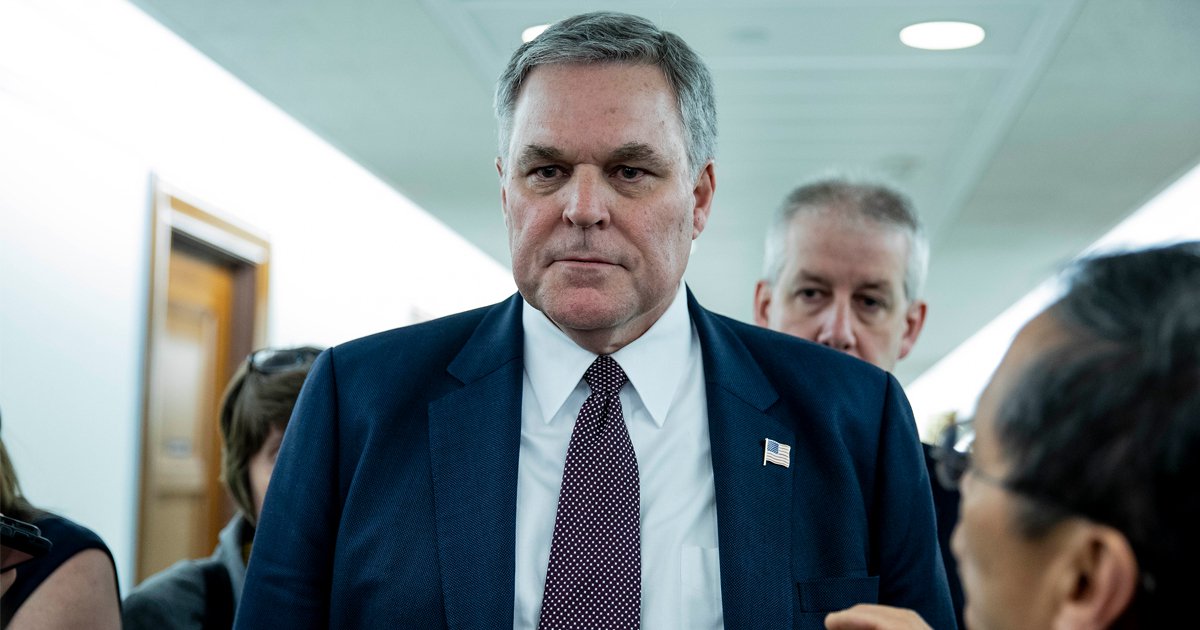
Congress asked the IRS to report on why it audits the poor more than the affluent. Its response is that it doesn’t have enough money and people to audit the wealthy properly. So it’s not going to.by Paul Kiel Oct. 2, 2:47 p.m. EDTIRS Commissioner Charles Rettig at the Capitol on May 15, 2019, in Washington. Rettig says increasing audit rates of the wealthy depends on whether the IRS budget grows. (Anna Moneymaker/Getty Images)TRUMP ADMINISTRATIONThe 45th President and His AdministrationGUTTING THE IRSWho Wins When a Crucial Agency Is DefundedProPublica is a nonprofit newsroom that investigates abuses of power. Sign up for ProPublica’s Big Story newsletter to receive stories like this one in your inbox as soon as they are published.The IRS audits the working poor at about the same rate as the wealthiest 1%. Now, in response to questions from a U.S. senator, the IRS has acknowledged that’s true but professes it can’t change anything unless it is given more money.ProPublica reported the disproportionate audit focus on lower-income families in April.

Lawmakers confronted IRS Commissioner Charles Rettig about the emphasis, citing our stories, and Sen. Ron Wyden, D-Ore., asked Rettig for a plan to fix the imbalance. Rettig readily agreed.Last month, Rettig replied with a report, but it said the IRS has no plan and won’t have one until Congress agrees to restore the funding it slashed from the agency over the past nine years — something lawmakers have shown little inclination to do.On the one hand, the IRS said, auditing poor taxpayers is a lot easier: The agency uses relatively low-level employees to audit returns for low-income taxpayers who claim the earned income tax credit. The audits — of which there were about 380,000 last year, accounting for 39% of the total the IRS conducted — are done by mail and don’t take too much staff time, either. They are “the most efficient use of available IRS examination resources,” Rettig’s report says.

Source: IRS: Sorry, but It’s Just Easier and Cheaper to Audit the Poor — ProPublica

Methodist Le Bonheur Makes Millions, Owns a Collection Agency and Relentlessly Sues the Poor

In July 2007, Carrie Barrett went to the emergency room at Methodist University Hospital, complaining of shortness of breath and tightness in her chest. Her leg was swollen, she’d later recall, and her toes were turning black.Given her family history, high blood pressure and newly diagnosed congestive heart failure, doctors performed a heart catheterization, threading a long tube through her groin and into her heart.

Her share of the two-night stay: $12,019.Barrett, who has never made more than $12 an hour, doesn’t remember getting any notices to pay from the hospital. But in 2010, Methodist Le Bonheur Healthcare sued her for the unpaid medical bills, plus attorney’s fees and court costs.Since then, the nonprofit hospital system affiliated with the United Methodist Church has doggedly pursued her, adding interest to the debt seven times and garnishing money from her paycheck on 15 occasions.

Source: Methodist Le Bonheur Makes Millions, Owns a Collection Agency and Relentlessly Sues the Poor

OUR COMMON GROUND
Black Voice Sanctuary 

Medicaid Debt Can Cost You Your House – The Atlantic

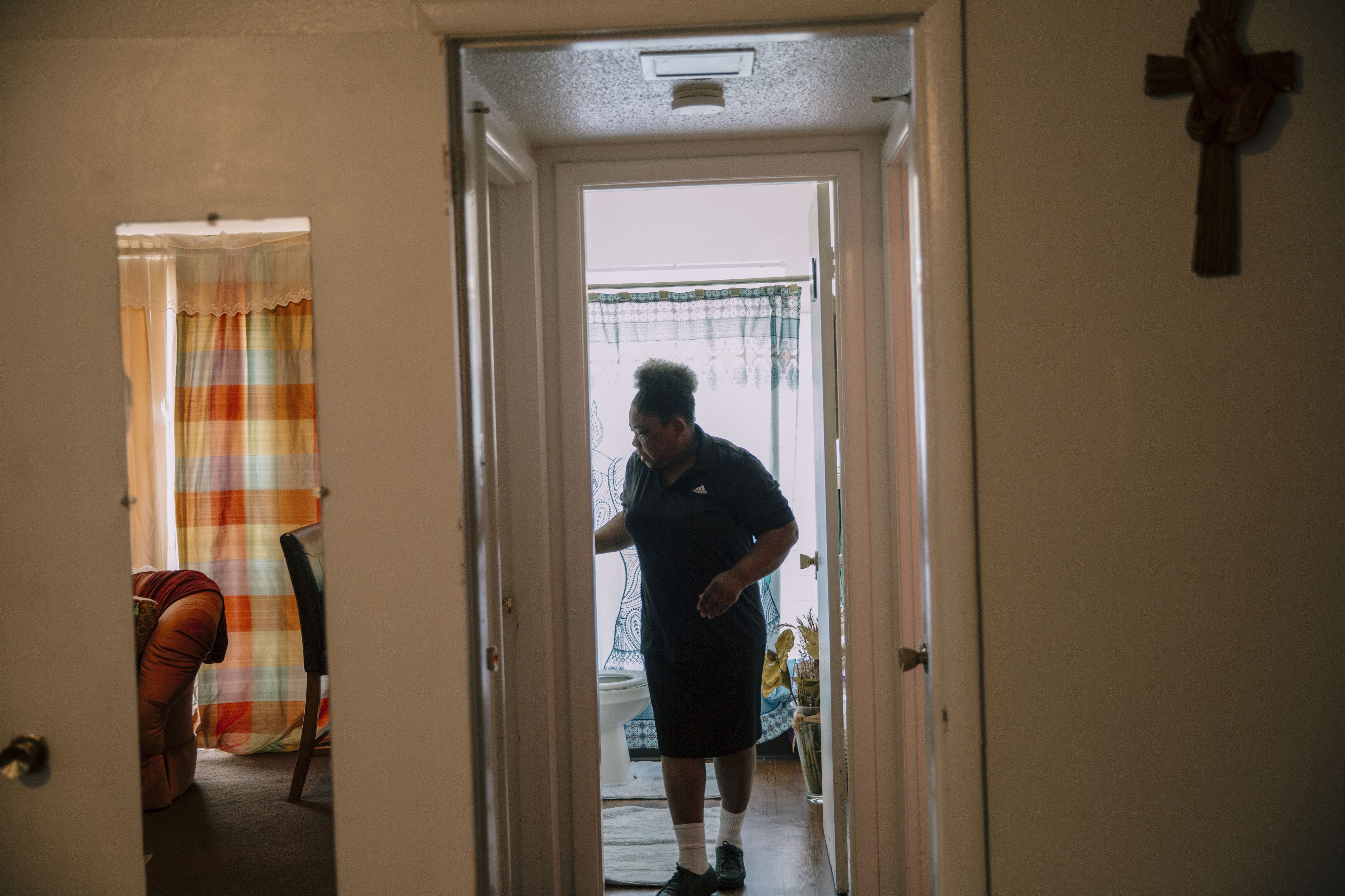
She soon learned that the rumors held some truth. Medicaid, the government program that provides health care to more than 75 million low-income and disabled Americans, isn’t necessarily free. It’s the only major welfare program that can function like a loan. Medicaid recipients over the age of 55 are expected to repay the government for many medical expenses—and states will seize houses and other assets after those recipients die in order to satisfy the debt.

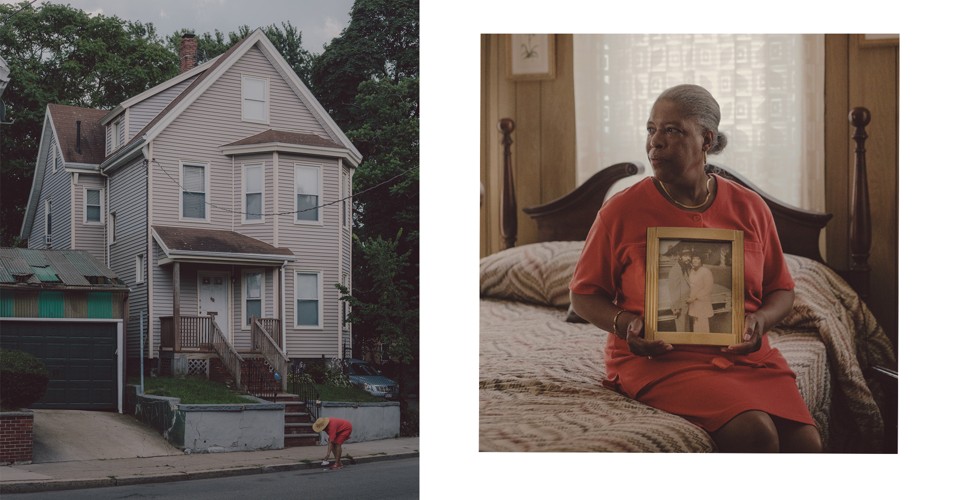
“The folded american flag from her father’s military funeral is displayed on the mantel in Tawanda Rhodes’s living room. Joseph Victorian, a descendant of Creole slaves, had enlisted in the Army 10 days after learning that the United States was going to war with Korea.To hear more feature stories, see our full list or get the Audm iPhone app.After he was wounded in combat, Joseph was stationed at a military base in Massachusetts. There he met and fell in love with Edna Smith-Rhodes, a young woman who had recently moved to Boston from North Carolina. The couple started a family and eventually settled in the brick towers of the Columbia Point housing project. Joseph took a welding job at a shipyard and pressed laundry on the side; later, Edna would put her southern cooking skills to use in a school cafeteria.

In 1979, Joseph and Edna bought a house in Boston’s Dorchester neighborhood for $24,000. Just a few years after they moved in, Joseph died of blood-circulation problems. But by leaving that house to his wife and children, its mortgage satisfied by his life-insurance payout, he died believing that he had secured a legacy for his family, which, in just a few generations, had lifted itself out of slavery, segregation, and poverty to own a piece of the American dream.

Source: Medicaid Debt Can Cost You Your House – The Atlantic

OUR COMMON GROUND Communications and Media